Skip to content



NEWS EDITIONS
Select a newsletter below:

Term 4 Week 6 – Friday 21 November 2025
A FRESH APPROACH TO CO-CURRICULAR LEARNING
Introducing Our 2026 Points Framework
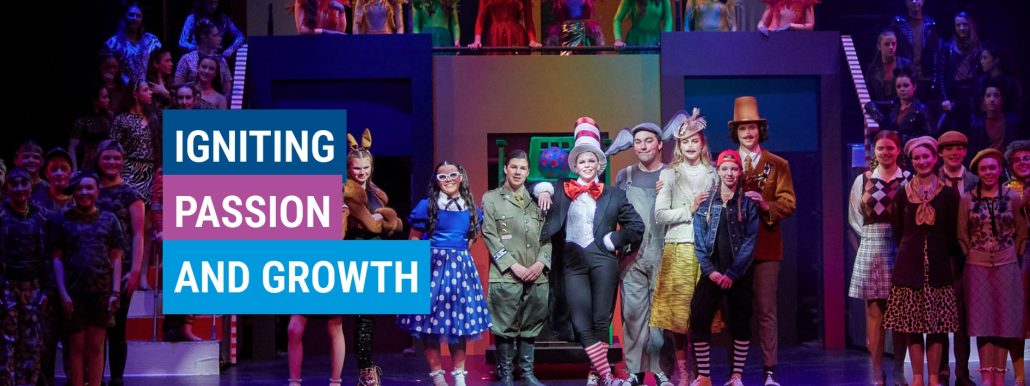
The experiences that shape our students most profoundly often happen outside traditional lesson time. That is why we are introducing a new co-curricular points framework for Secondary students in 2026, one that puts choice and individual growth at the heart of student life.
This framework represents 18 months of genuine collaboration. We have listened carefully to student and parent feedback through surveys and focus groups, building a system that truly reflects what our community wants and needs.
In 2026 students in Years 7–11 will earn a minimum of 30 points each year, including at least 10 from sport. Year 12 students will complete 20 points with a sporting element. Points can be earned across five diverse areas: Academic Extension, Clubs & Activities, Performing Arts, Service & Leadership, and Sport.
Aligned with our mission to provide a holistic educational experience, our focus is on engagement rather than competition. We aim to recognise consistency, effort, and contribution, celebrating each student’s personal journey instead of ranking achievements against others.
This framework is designed to help students uncover their passions, develop resilience, and build skills that last well beyond school. With the flexibility to choose their own path and the support of both staff and our Clipboard management platform, students can craft a co-curricular experience that genuinely excites them.
Supported by key co-curricular leaders we are eager to watch our students flourish as they take the reins of their co-curricular learning in 2026. Visit our co-curricular page on our website via this link to see more.
Ross Patterson
Principal
BIKE EDUCATION
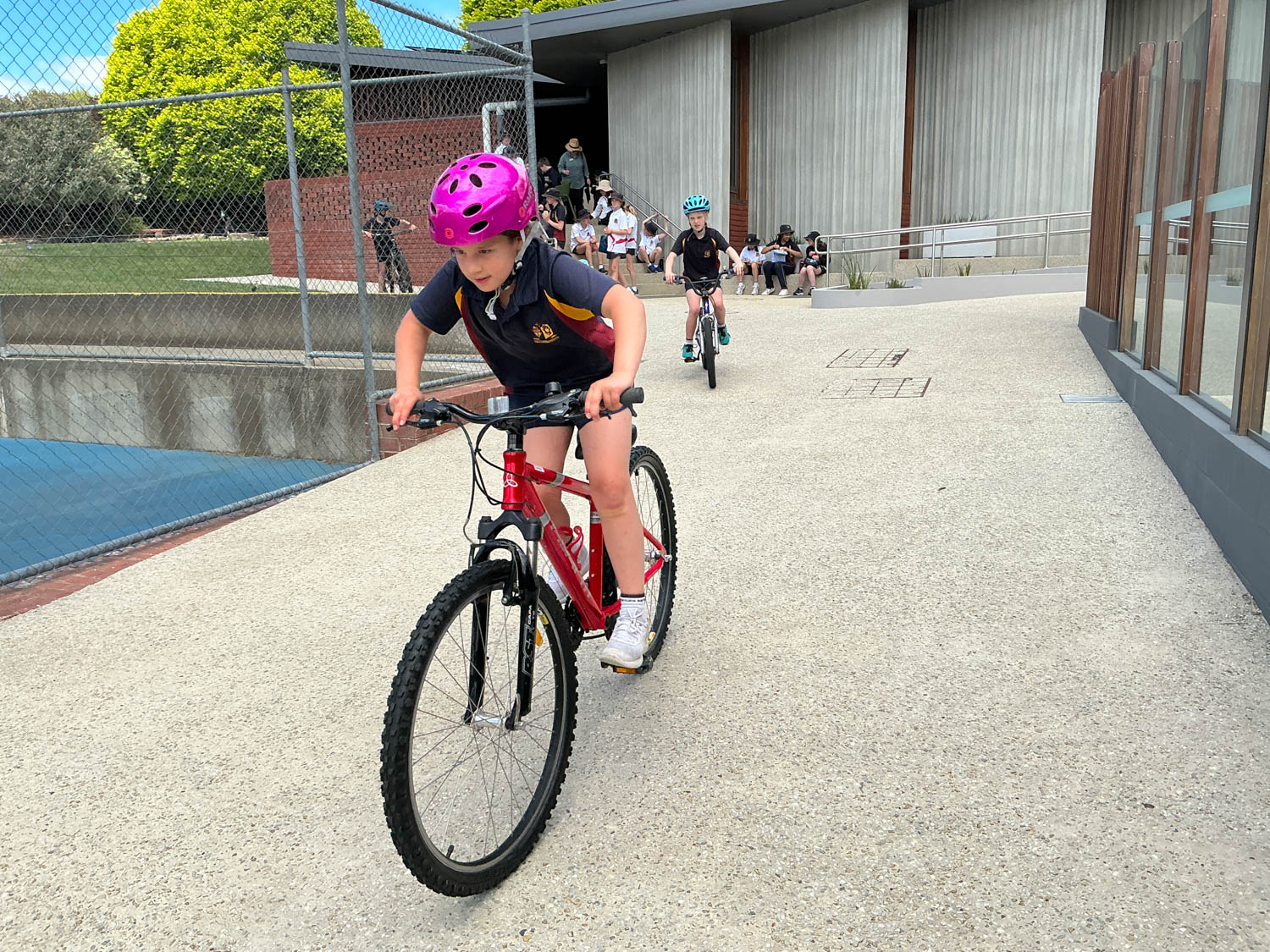
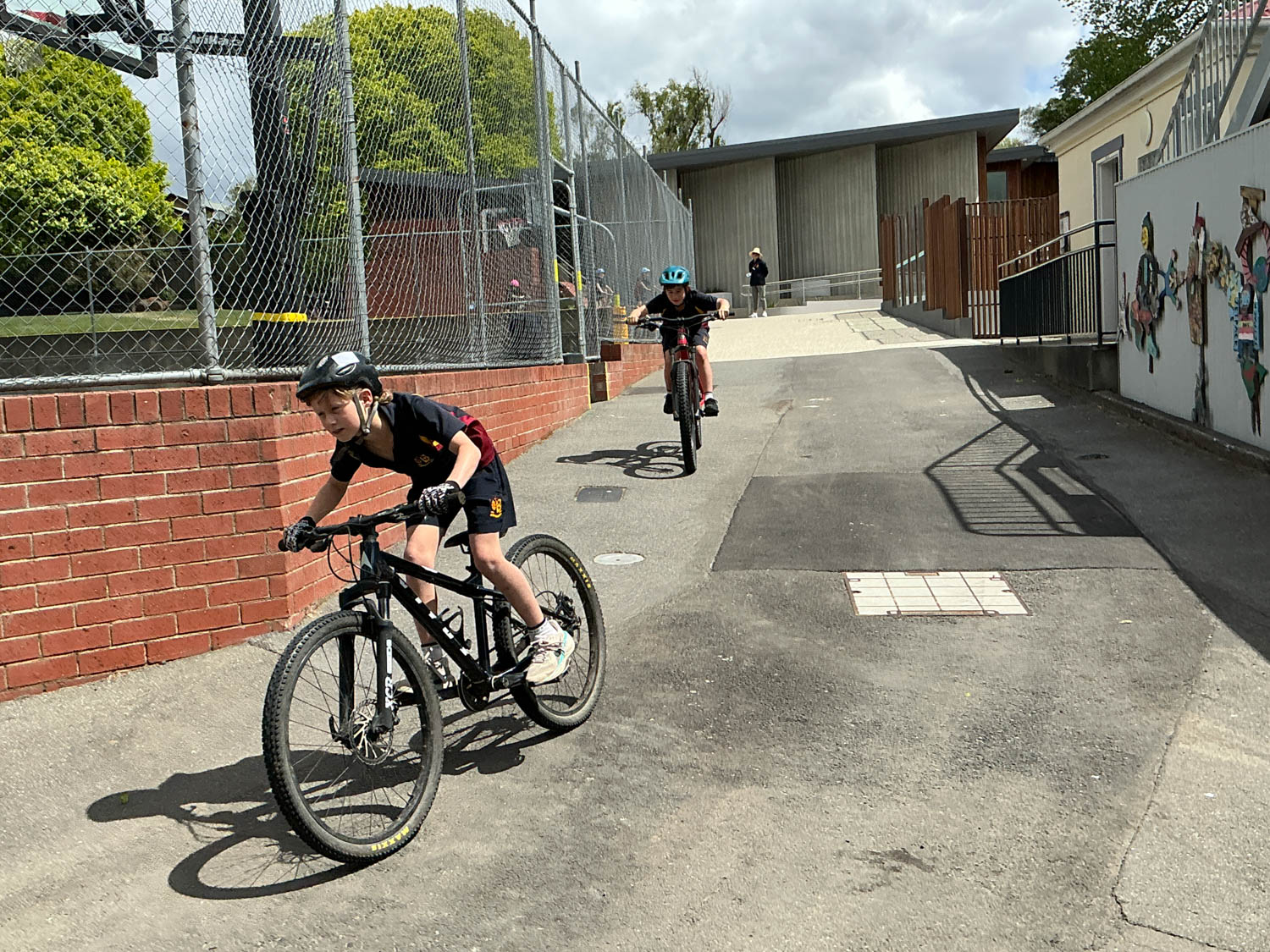
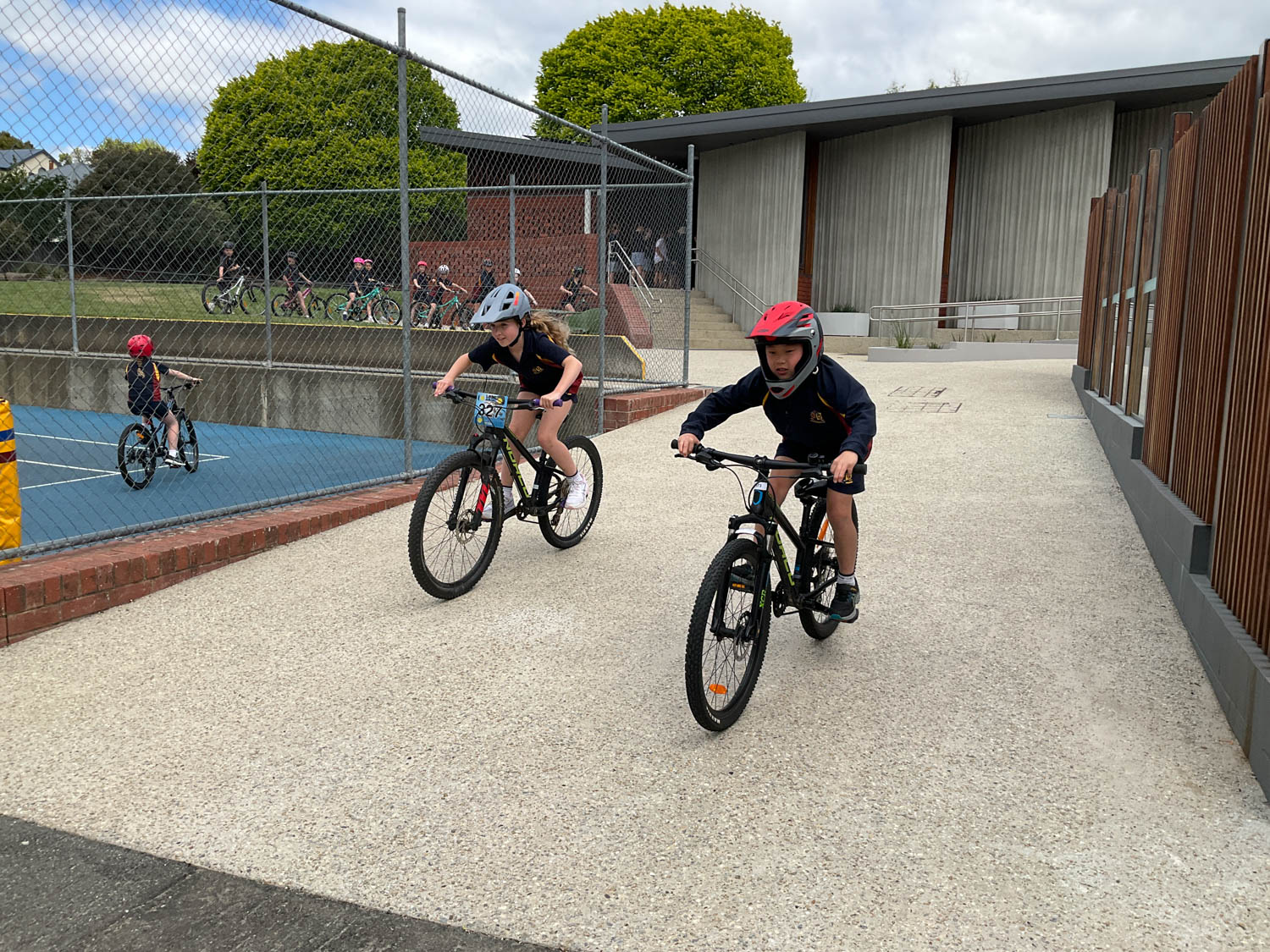
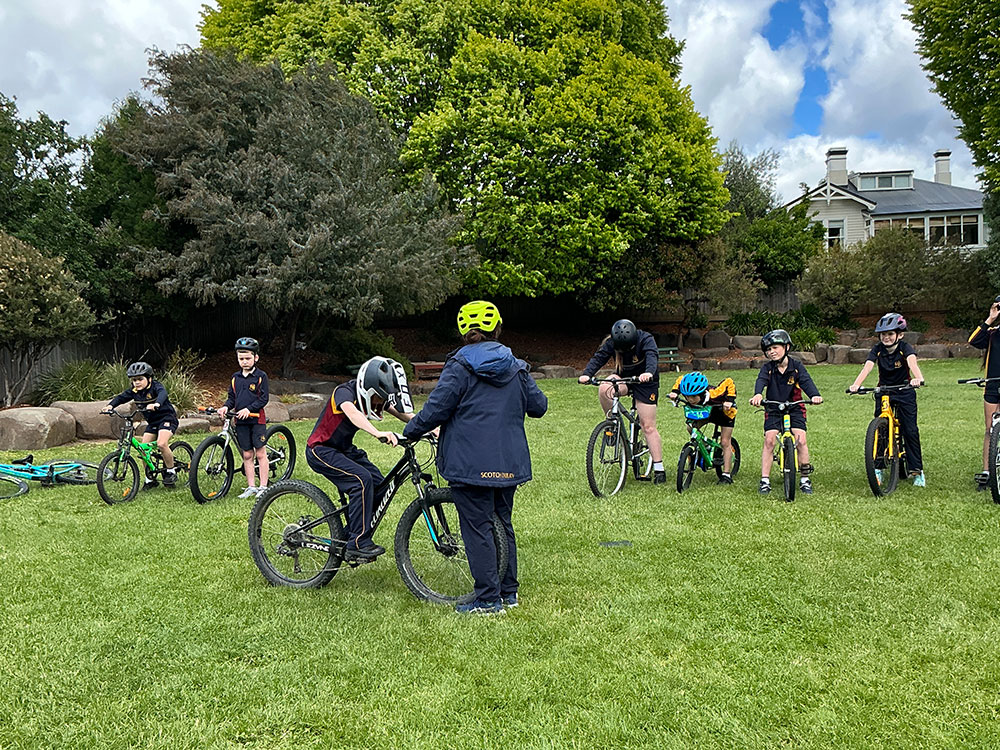
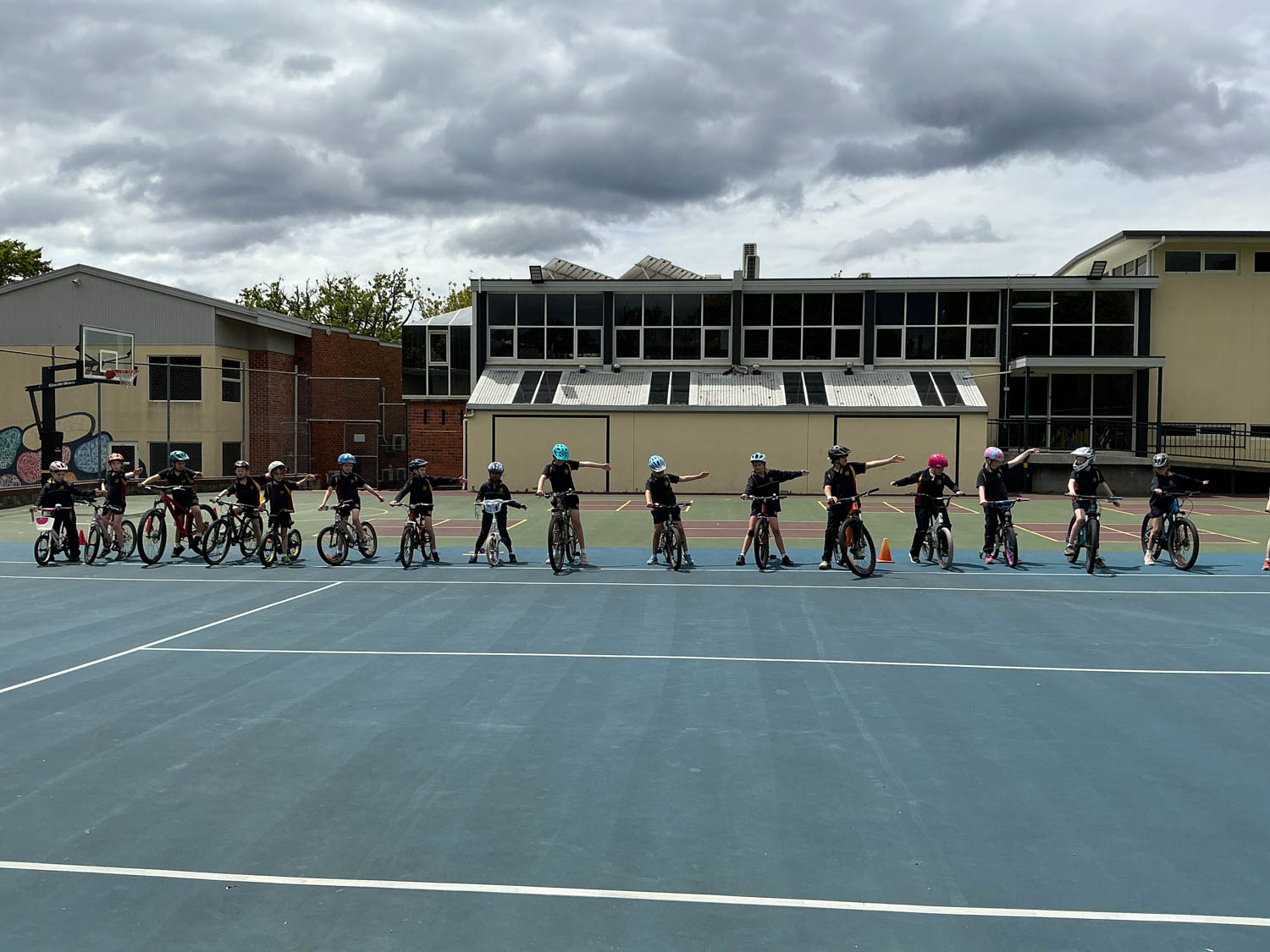
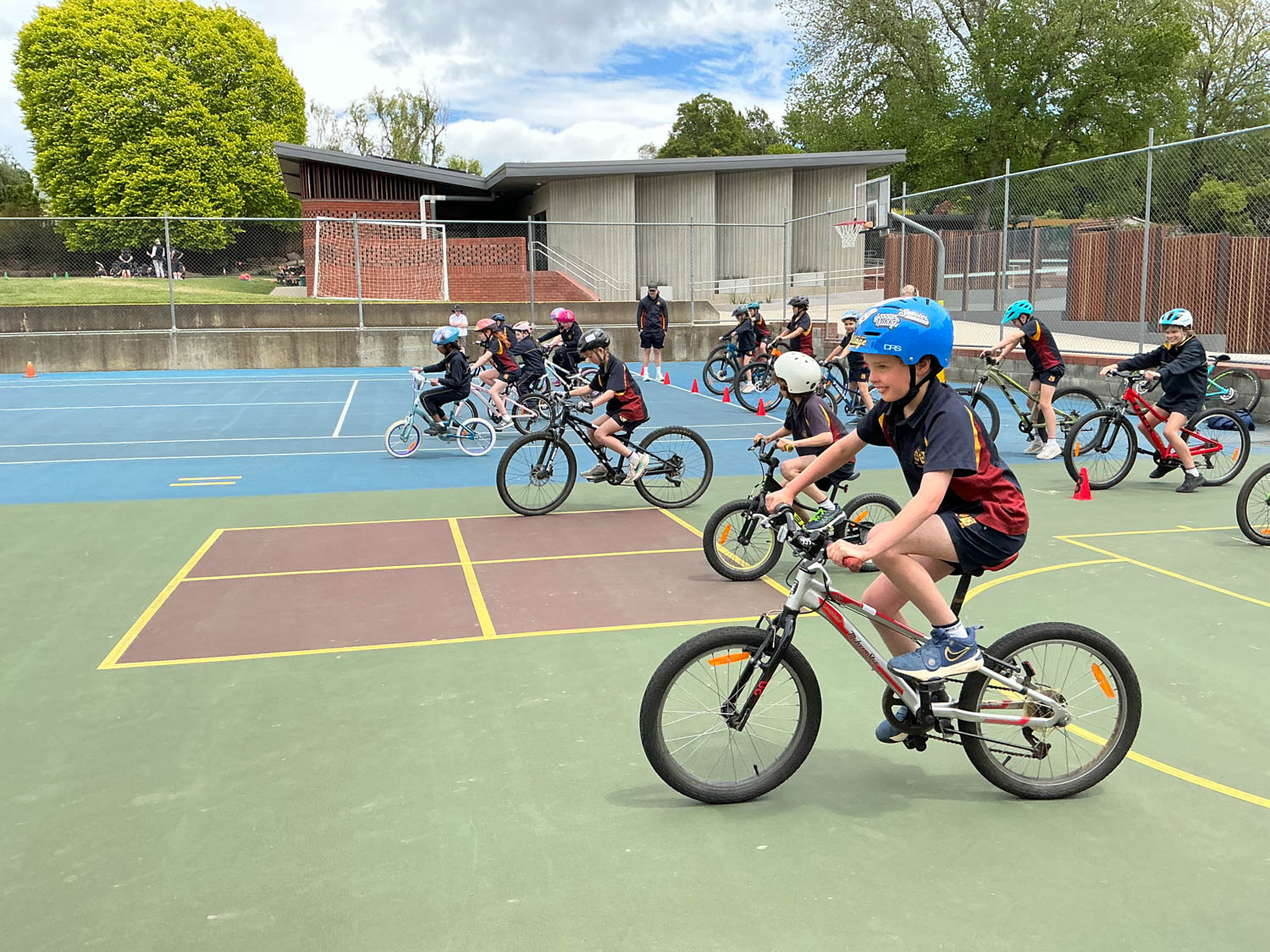
This week Year 3 students took part in Bike Education designed to help them become safe, confident, and responsible cyclists. The program aims to develop safe and independent riders by building the skills students need to navigate their bikes in real-world environments. The key goals include increasing rider competency, improving confidence, and promoting safe strategies for riding in the community.
Throughout the week, students rotated through a variety of fun and practical activities, such as precision stopping, using hand signals, identifying road signs, riding a mock road course, tackling hills, completing an obstacle course, and learning how to ride safely with others.
Everyone was enthusiastic, engaged, and embraced every opportunity to challenge themselves and improve their cycling skills.
Nicky Reid
Head of Sport – Elphin
EXPERIENCING THE WORLD OF WORK
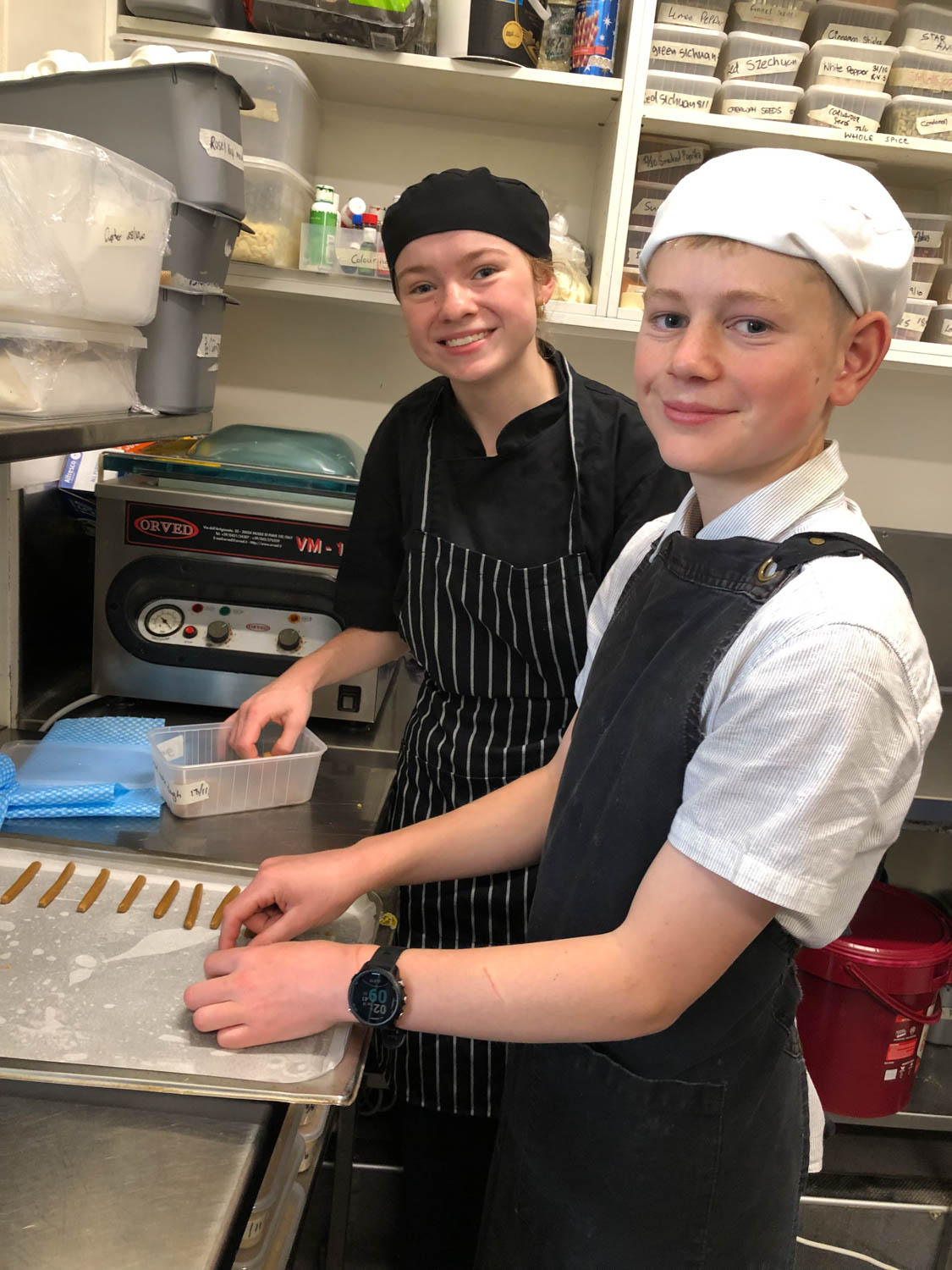
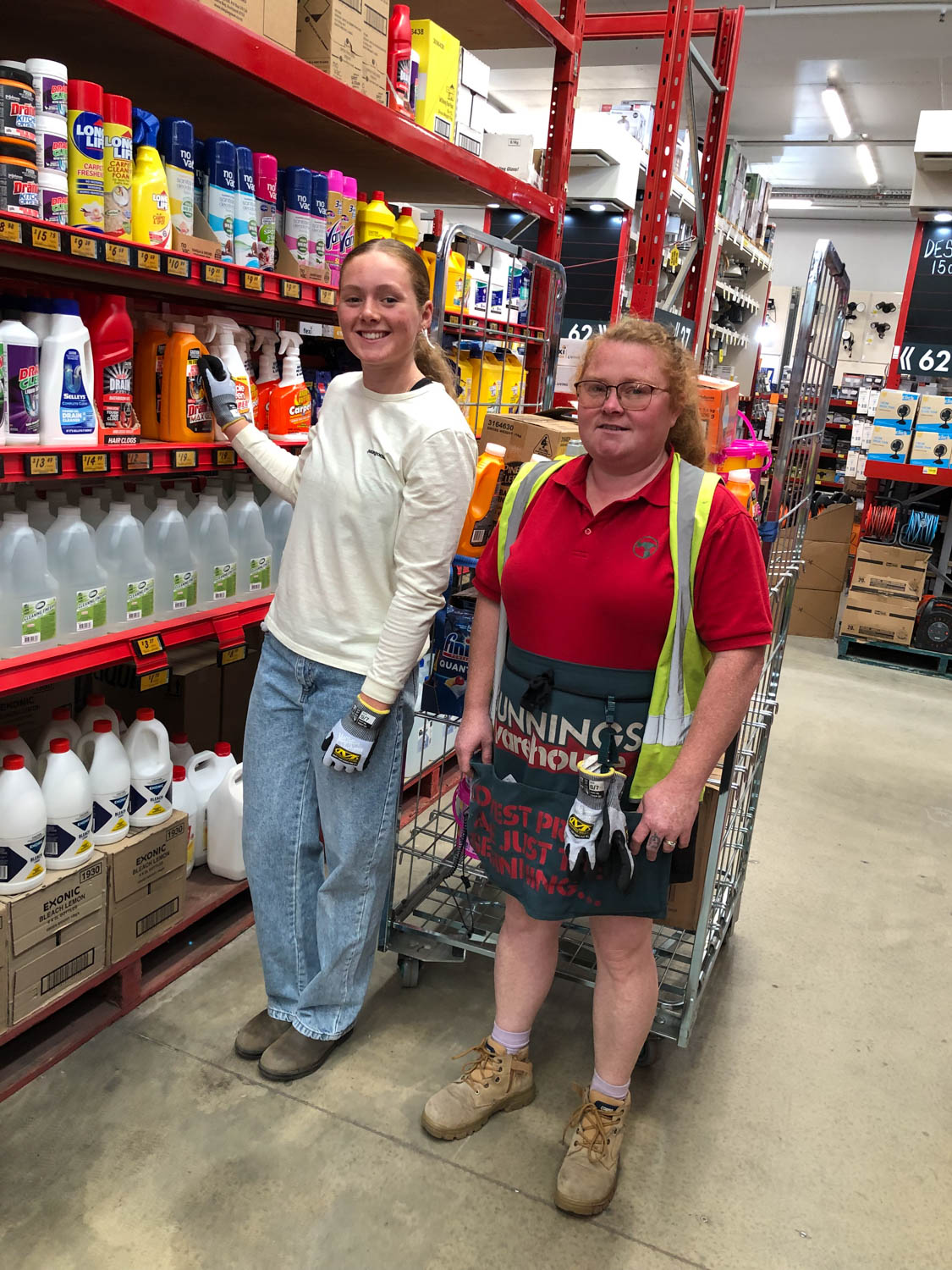
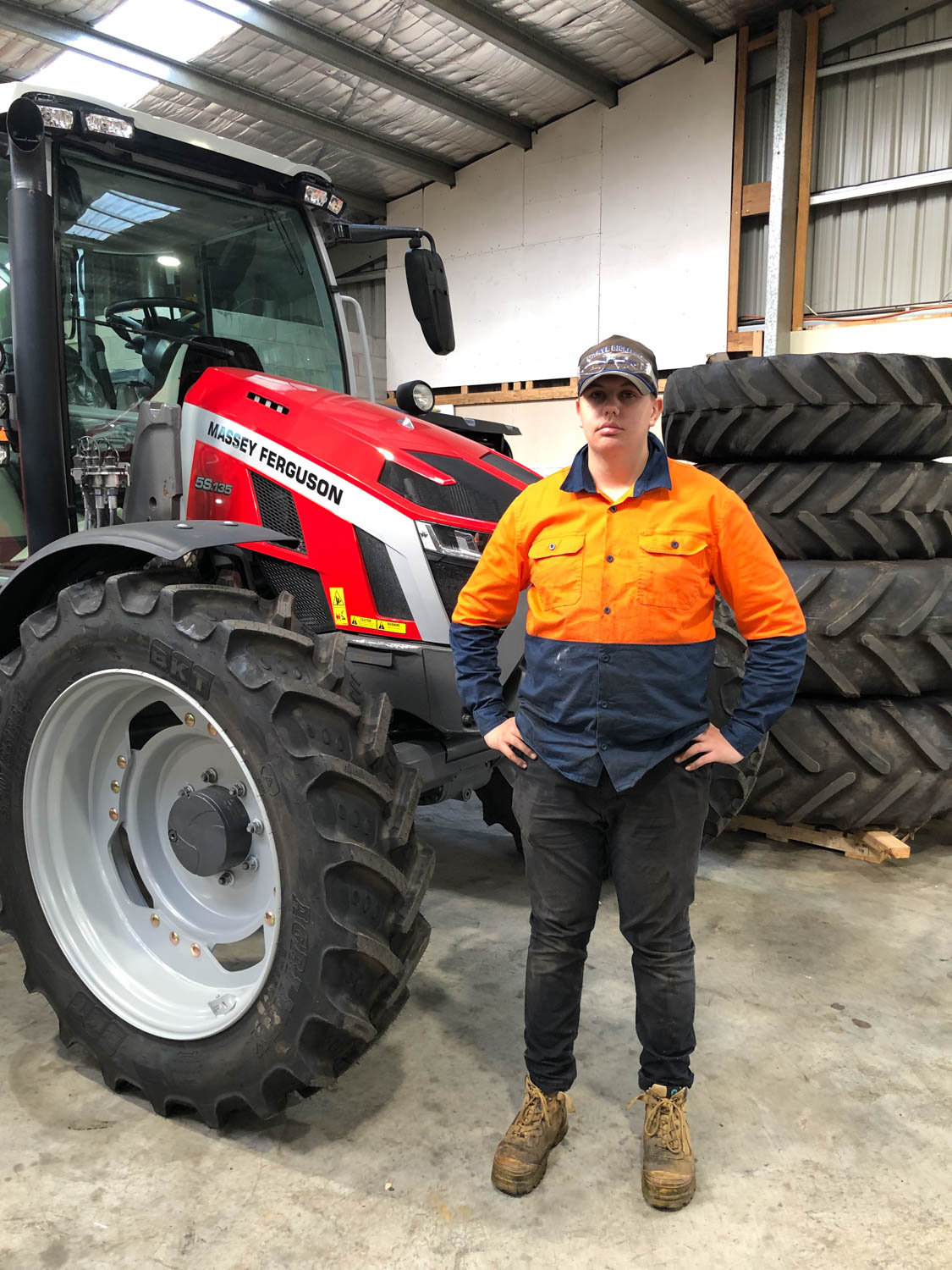
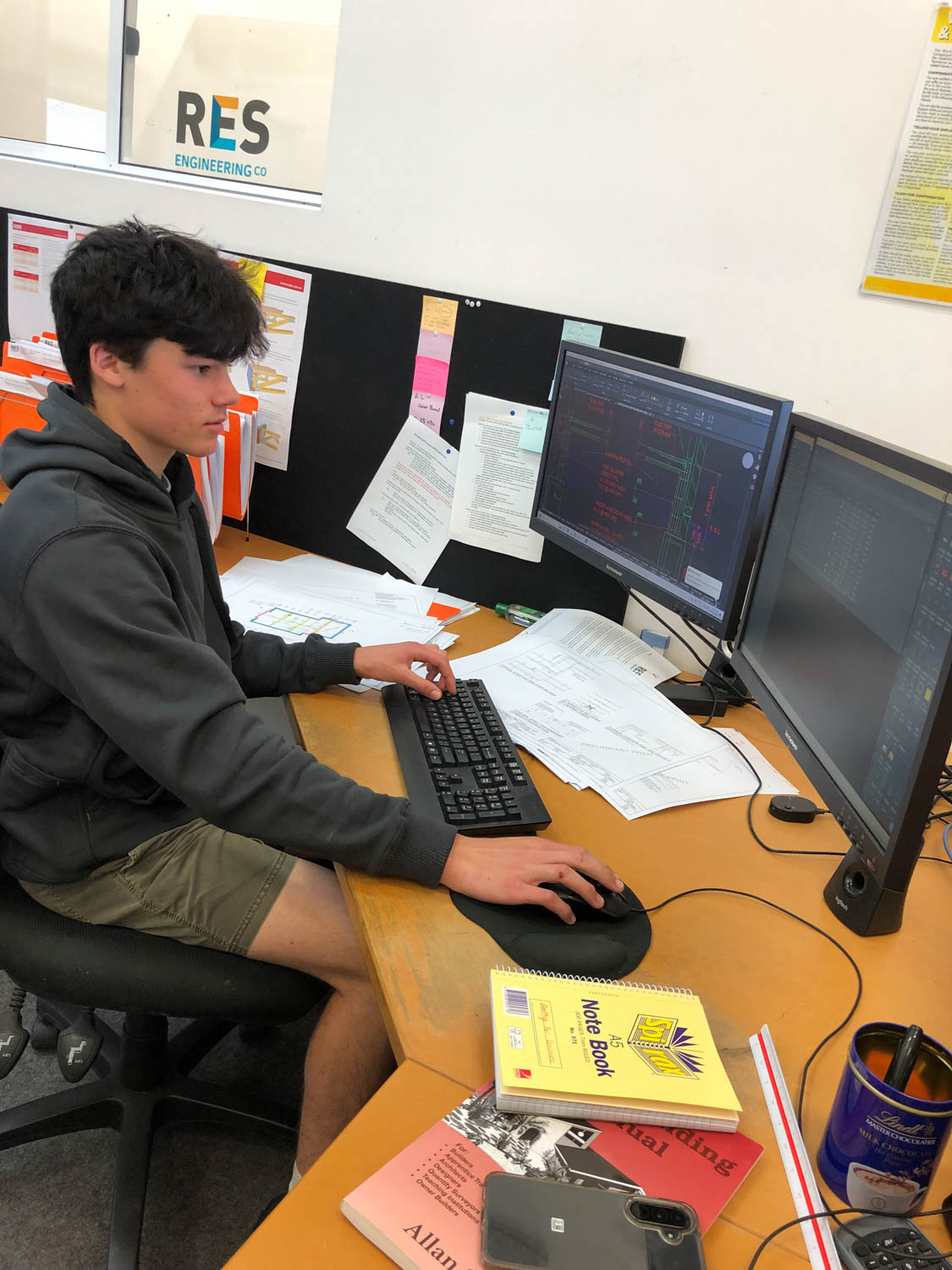
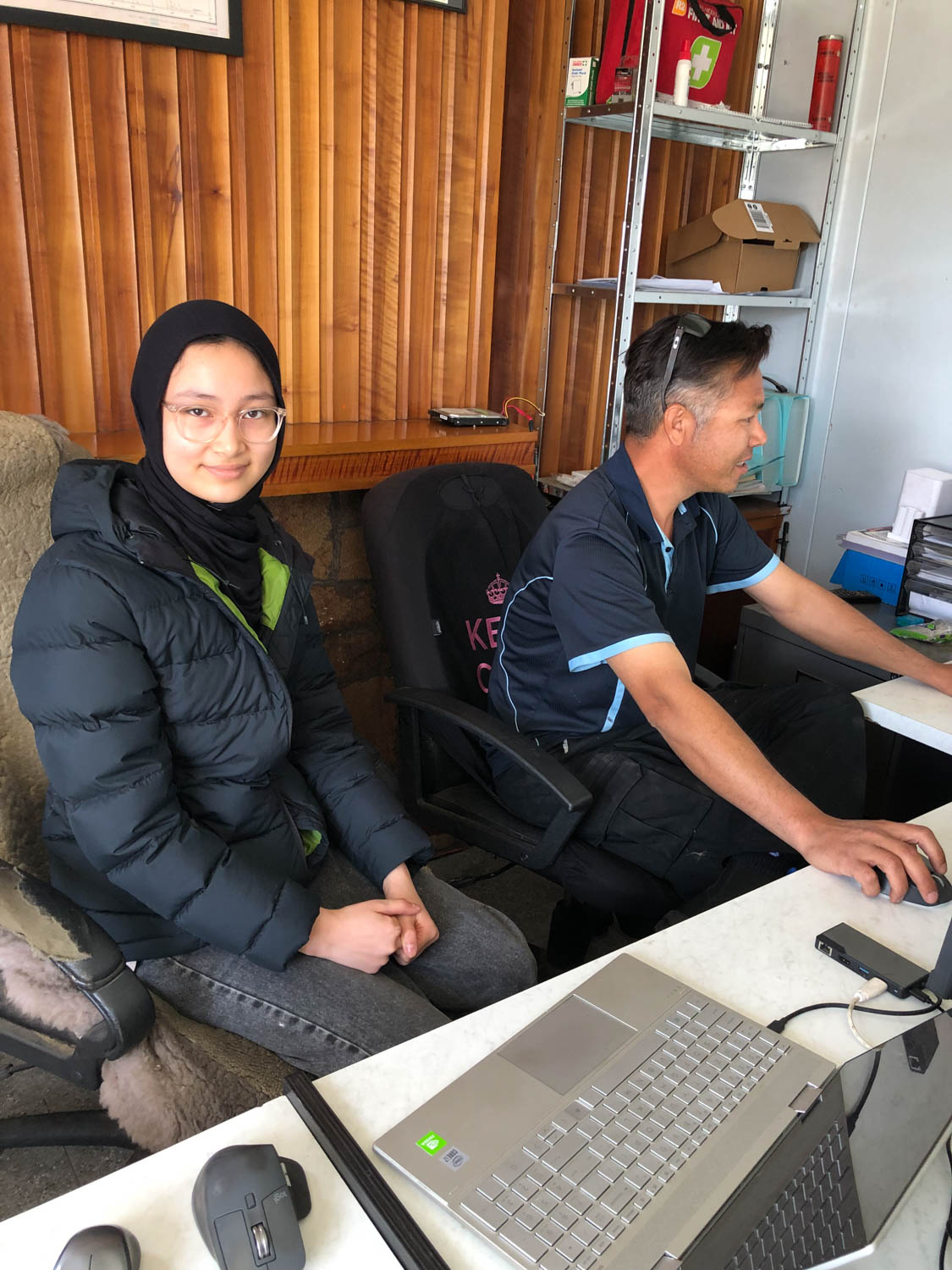
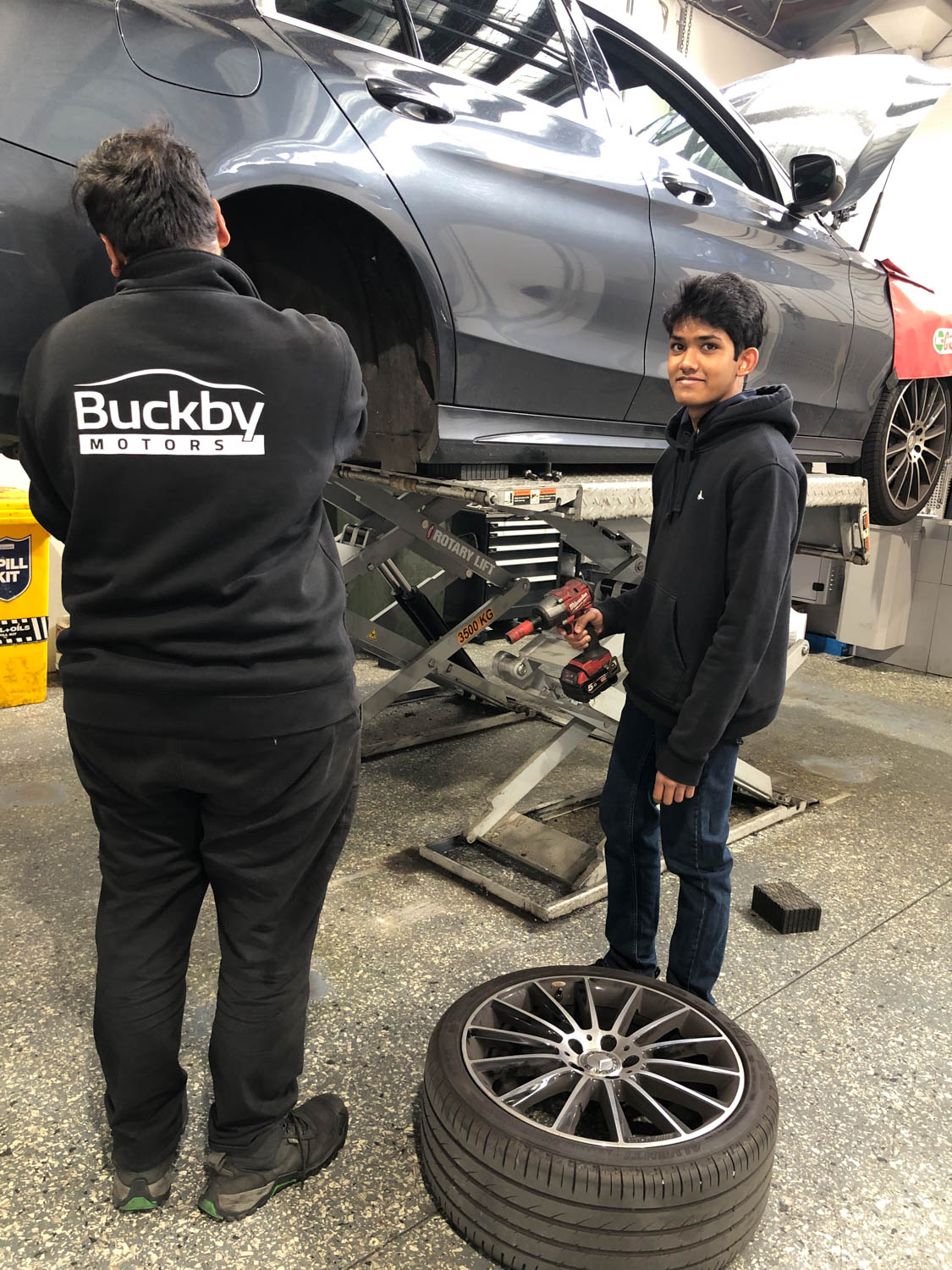
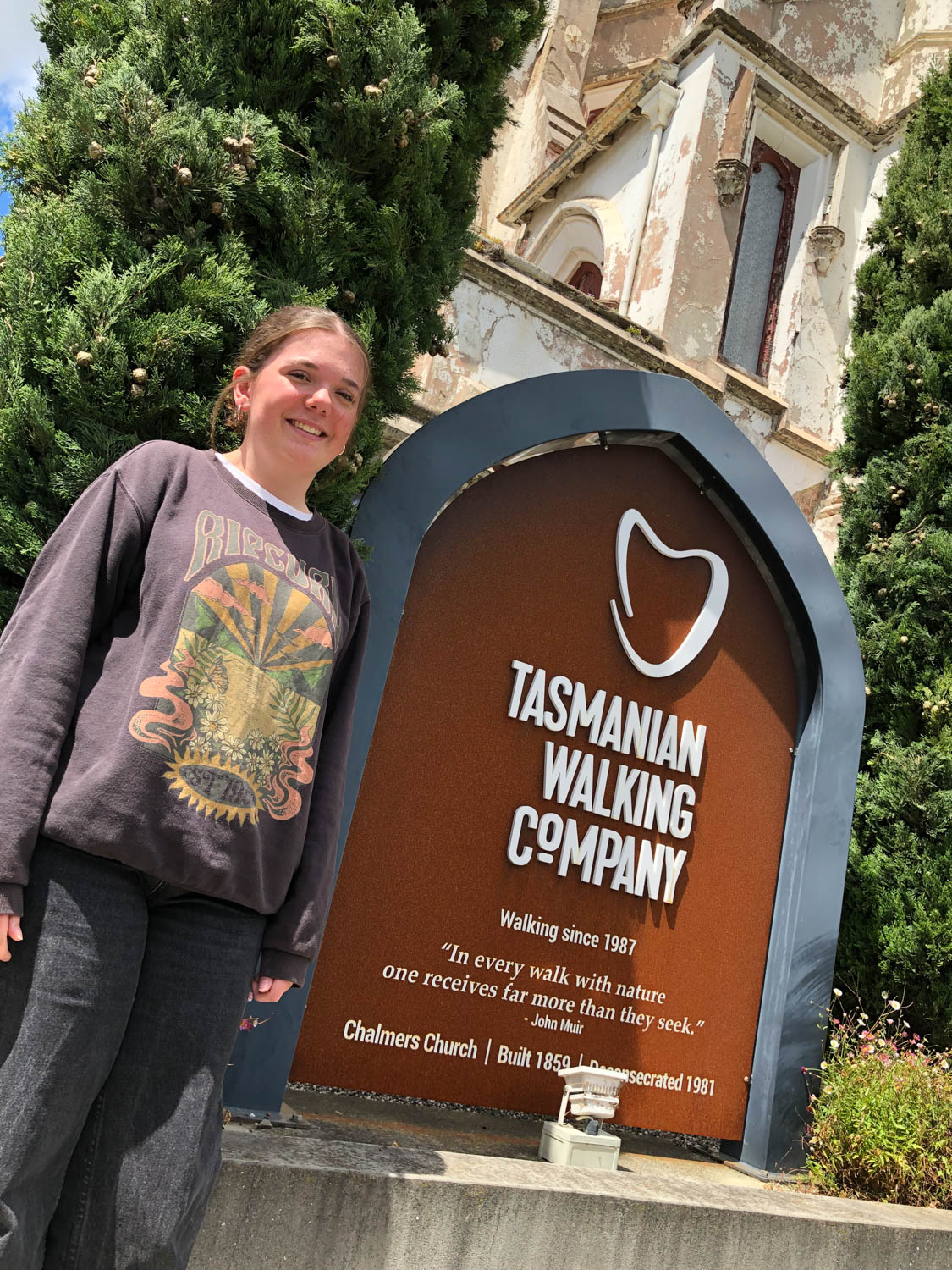
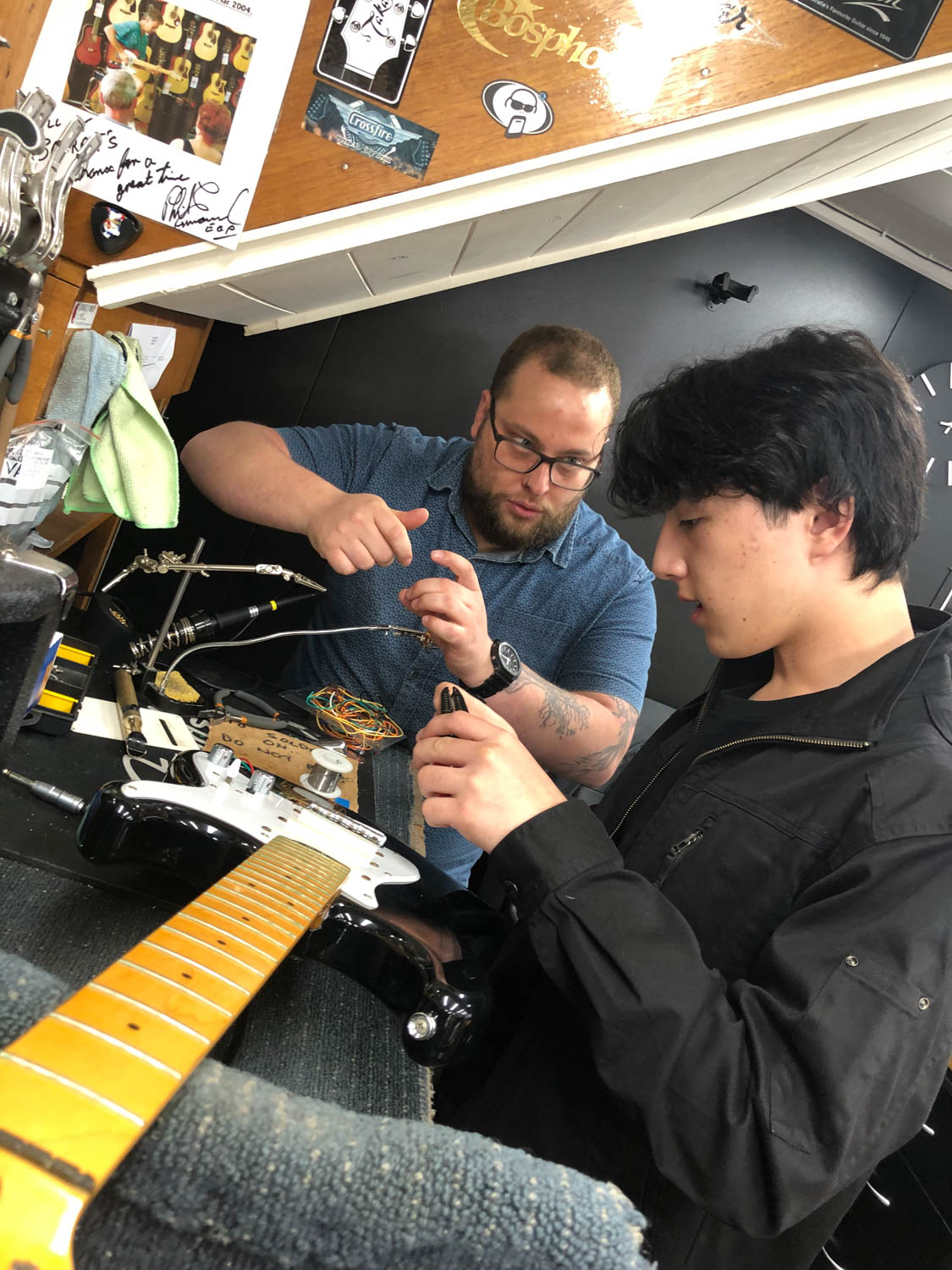
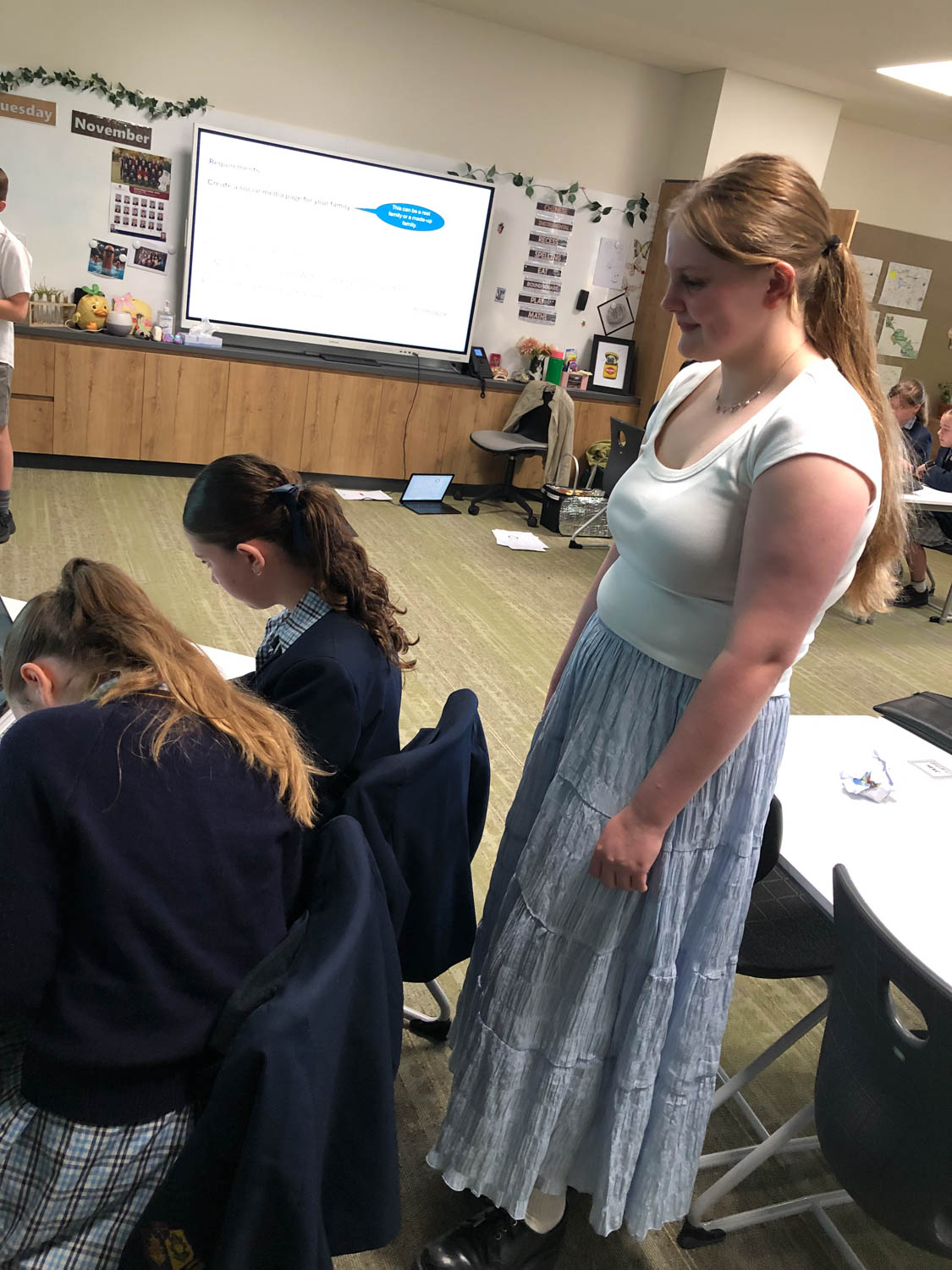
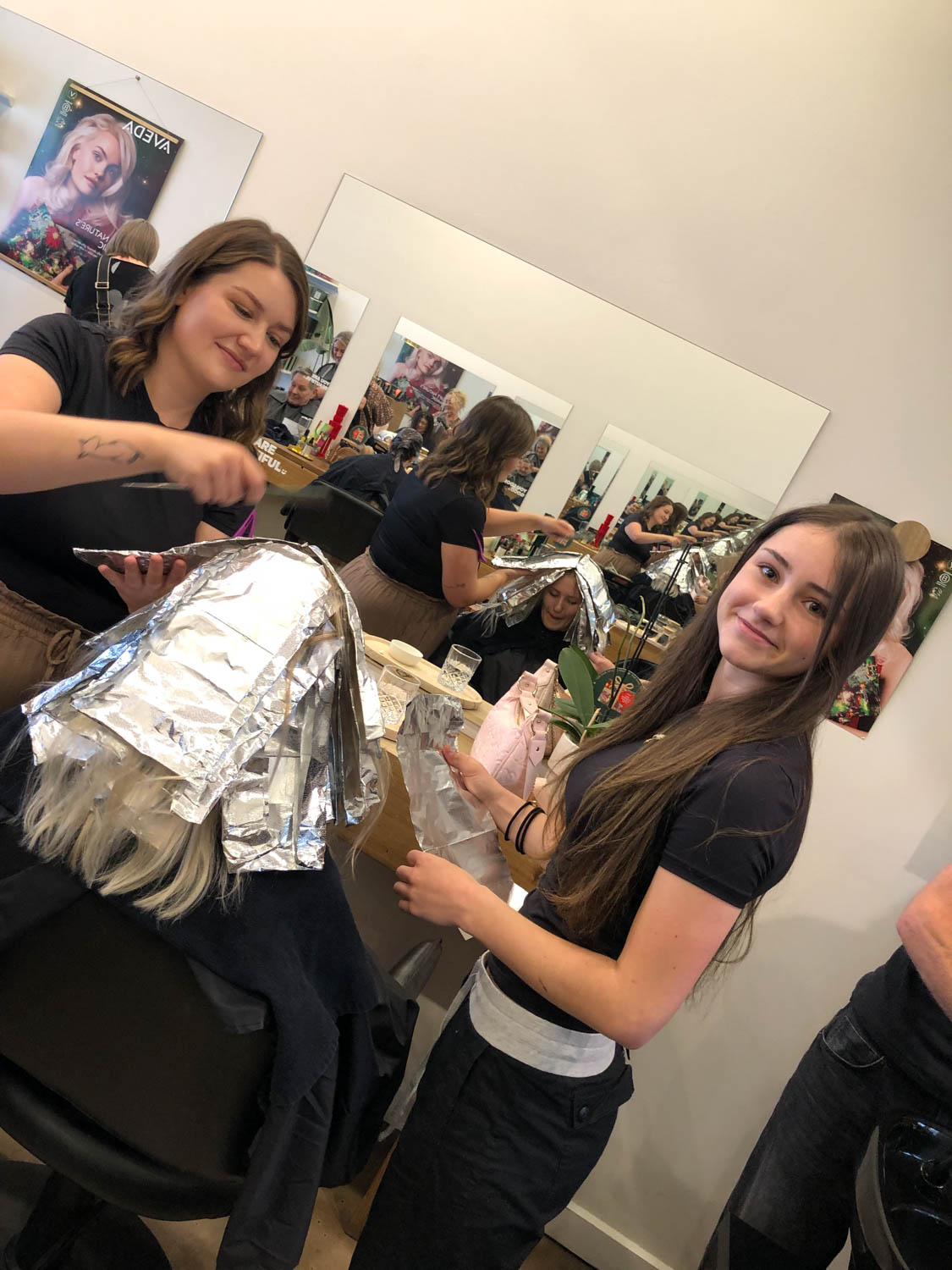
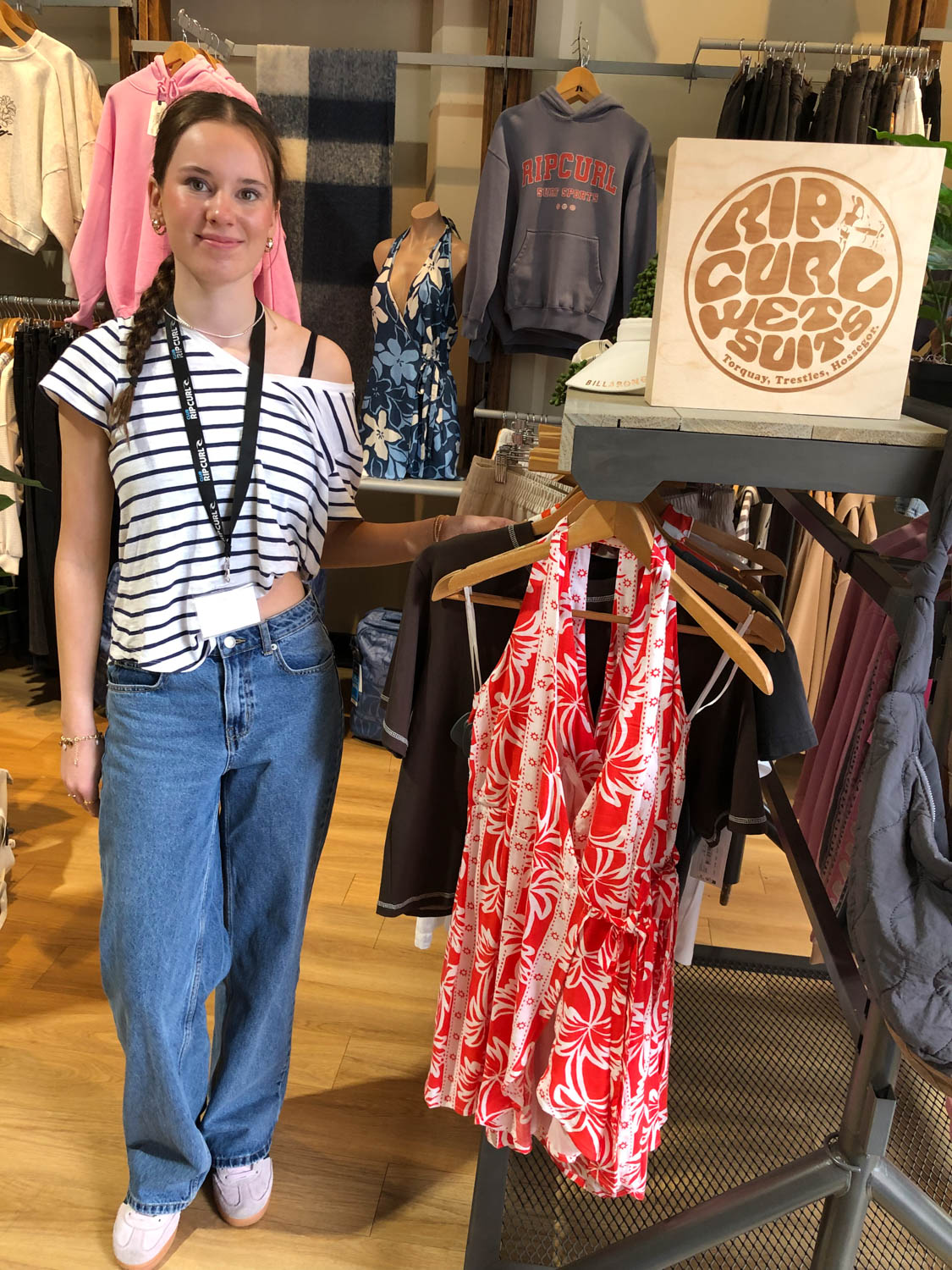
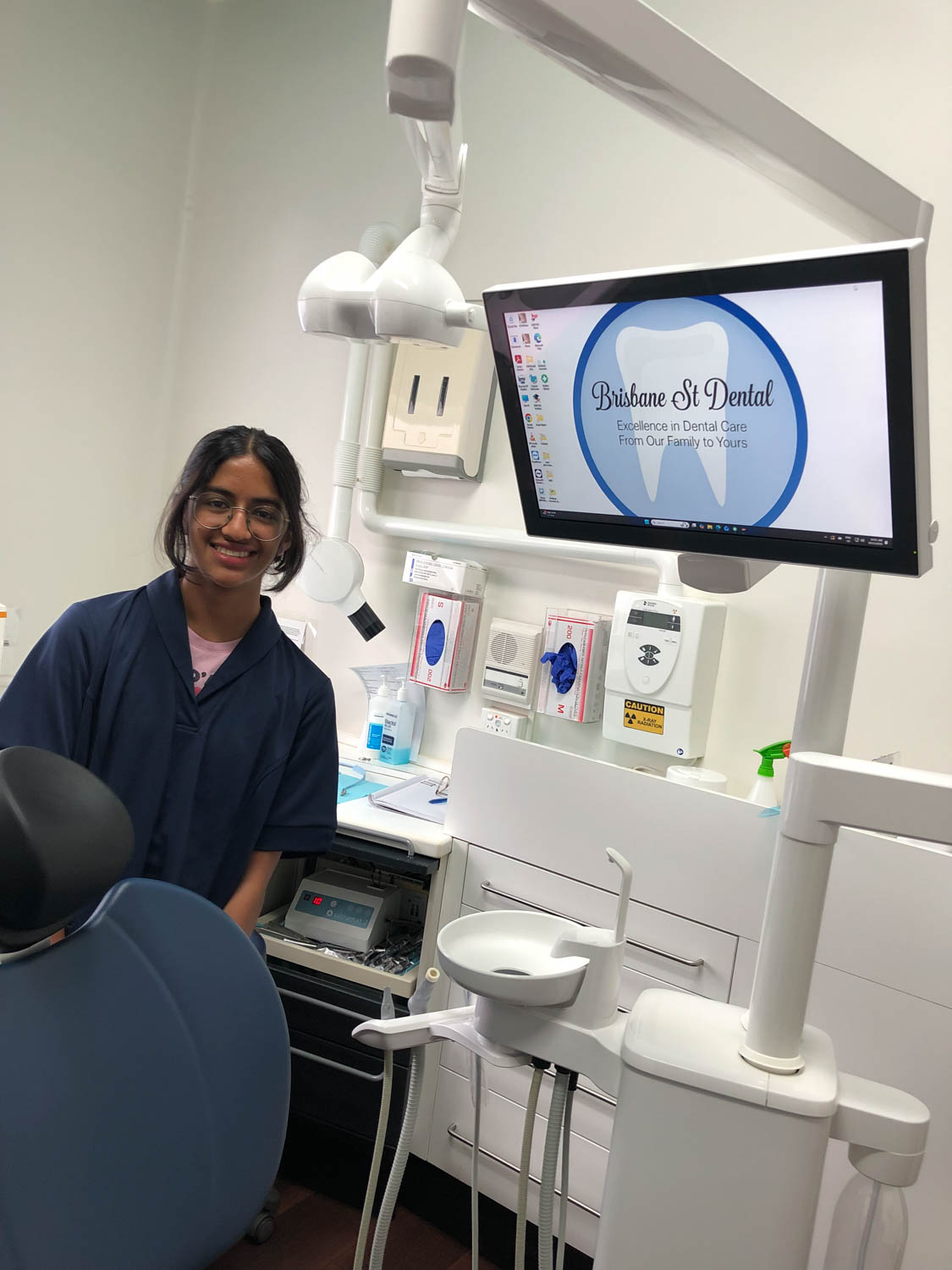
This week 58 Year 10 students have been out in the “real world” of work, experiencing a wide variety of occupations in over 96 workplaces in and around Launceston, in other parts of the state, and on the mainland. Teaching, veterinary science, IT, trades, hospitality, business, agriculture, health professions, architecture, engineering … the huge variety of career options being investigated during our work experience week has given students the opportunity to “test drive” future career ideas, as well as providing opportunities for valuable learning about education and training pathways. This experience inevitably results in students returning to school with a renewed appreciation of the value and relevance of their learning, in preparation for their TCE years and beyond.
The Futures Centre Team
NATIONAL YOUTH CHALLENGE WINNERS
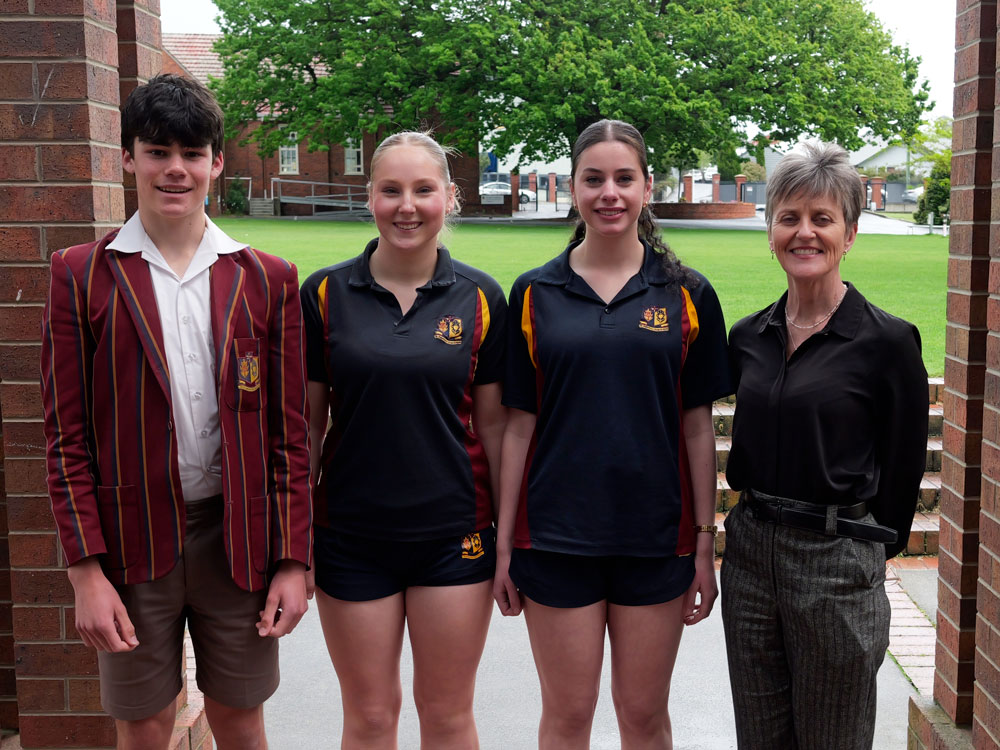
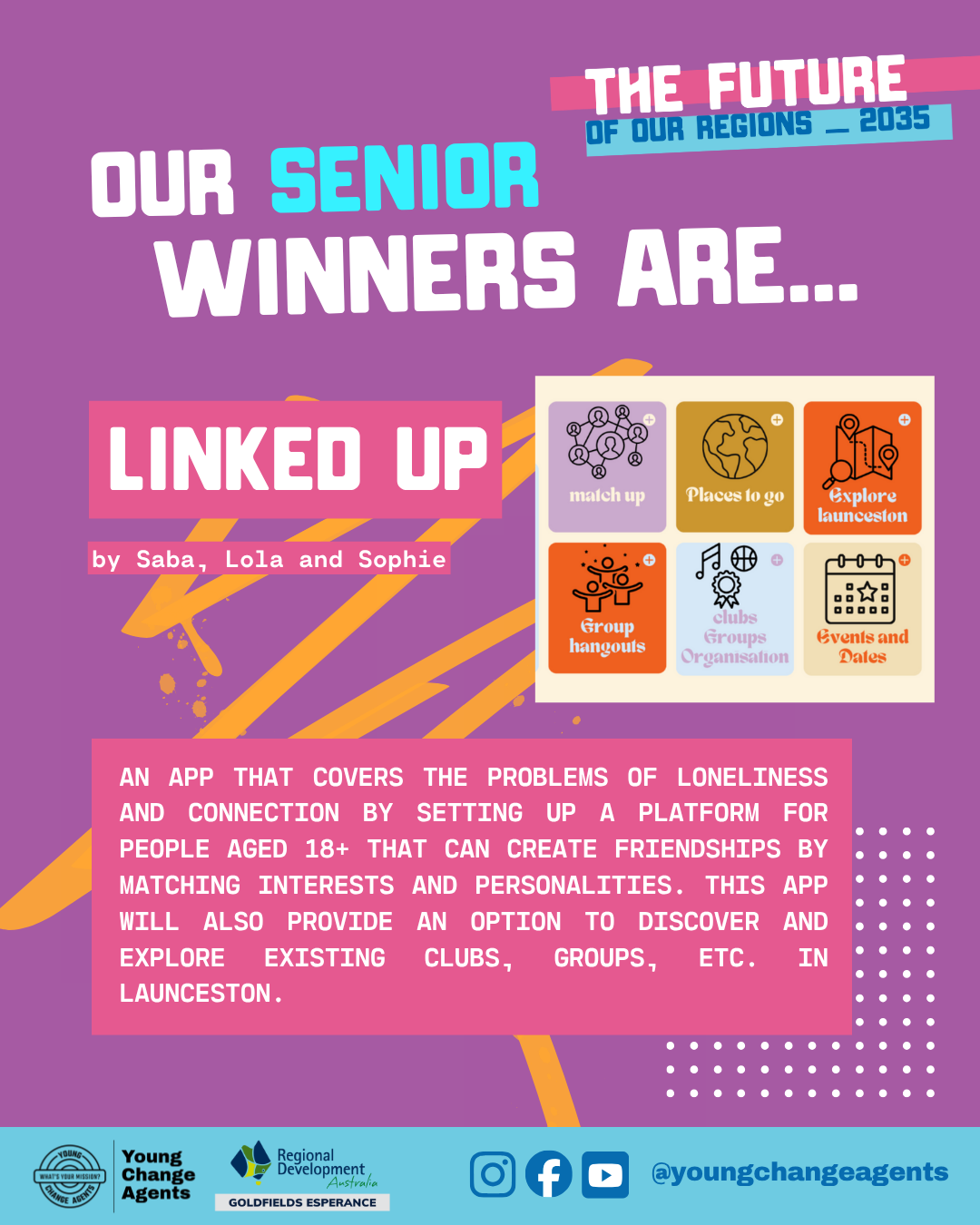
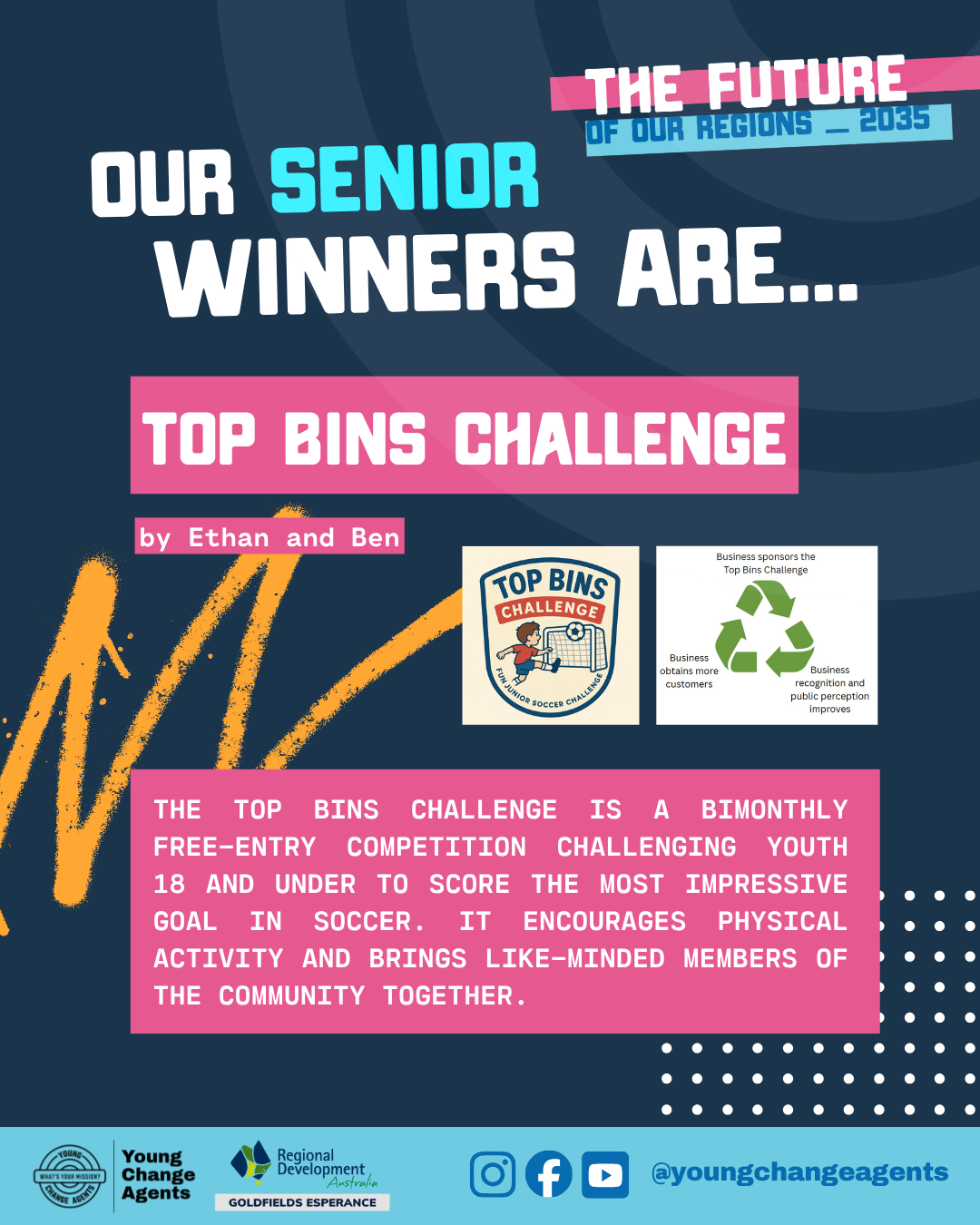
We are thrilled to announce that two Scotch Oakburn College Year 10 teams have taken out top honours in the Future of Our Regions Young Design Challenge, a national competition run by Young Change Agents. This challenge invited young people across Australia to imagine a healthier, happier, and more connected regional future—and create solutions to make it happen.
Our students’ ideas were selected as winners from an extensive field of entries submitted by schools nationwide. Here’s what they achieved:
Linked Up: Lola Wain, Sophie Cuthbertson-Cass and Saba McCullagh
The Linked Up team tackled the growing issue of loneliness by designing an app that connects people through shared interests. Their platform not only matches users but also suggests local clubs, events, and venues in Launceston. With plans for community-wide events like outdoor movies and live music, Linked Up aims to make friendships easier and strengthen community ties.
Top Bins: Ben Giasli and Ethan Wilkin
The Top Bins Challenge is a creative solution to youth isolation and inactivity. This free-entry soccer competition, encourages young people under 18 to showcase their best goals for prizes. By combining fun, fitness, and social connection, Top Bins brings the community together and promotes wellbeing.
Congratulations to both teams on this outstanding achievement! Your creativity and commitment to making a difference show that the future truly belongs to those who dare to imagine it differently.
Joy Russell
Teacher
LESSONS FOR PEACE
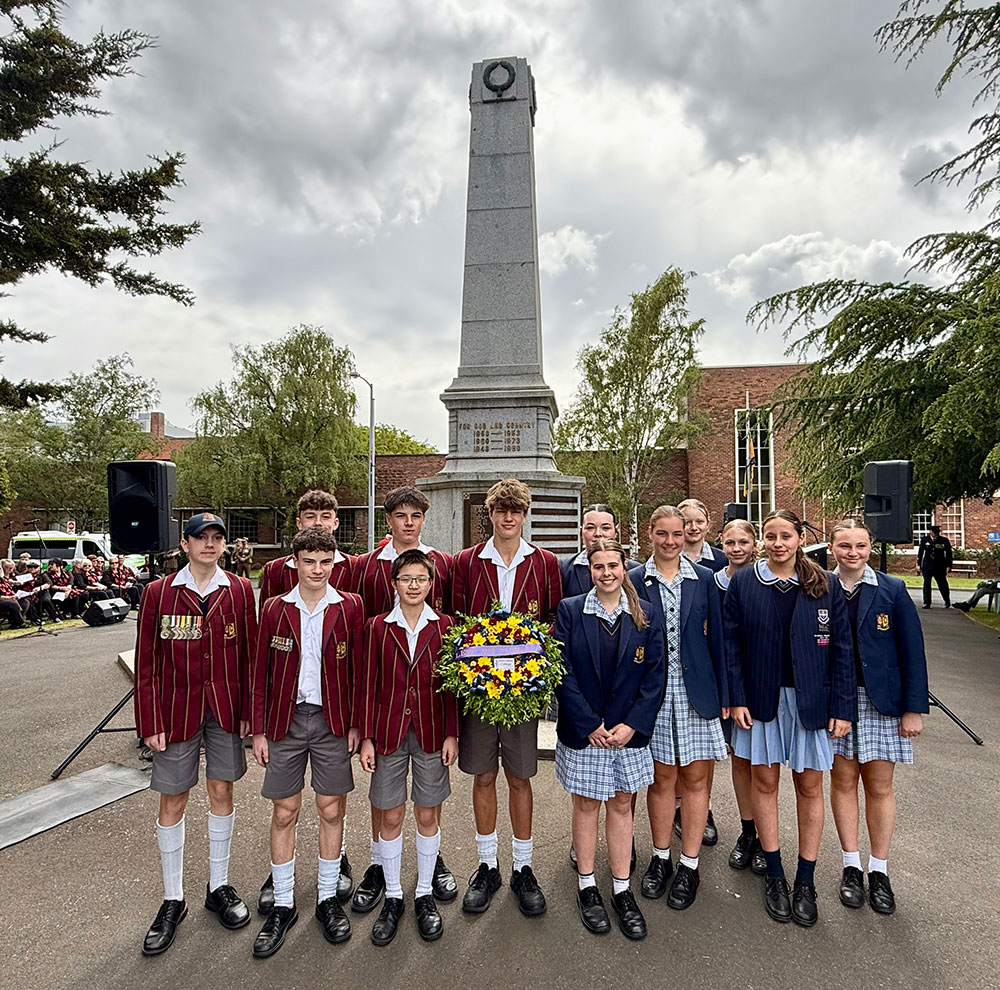
(from the Penquite Remembrance Day assembly)
World War One was supposed to be ‘the war to end all wars’, as it was so brutal and costly that people vowed that ‘never again’ should war be allowed to erupt. Yet, only 20 years later, World War Two began and resulted in far greater destruction and loss of life, and there have been hundreds of smaller conflicts since.
So why is peace so elusive?
Peace is more than the absence of violence and war. Peace is where groups and individuals get along, cooperate, share, treat each other kindly, and do favours for each other. If you look around the world you will see some countries are far more peaceful than others. But why?
Researchers at the University of Colombia in the US started a large research project to answer that question. They found that people had done plenty of research on things that can harm us, such as violence, war, and disease, but there was very little research done to identify the ingredients for peace.
They assembled a large team of researchers who examined every country in the world looking for the things that made countries peaceful, and they found over 70 factors that contributed to peace and stability. However, there were some factors that stood out more than others as key ingredients.
Humility – peaceful nations have a culture of being humble across the population as a whole, but most importantly in their leaders. One of the most brutal, but little heard of wars, was the War of the Triple Alliance, which occurred in the late 1860’s in South America. At that time Paraquay was ruled by Francisco Lopez, who by all accounts was an arrogant, megalomaniac dictator who yearned to become the Napoleon of Latin America. In short order he simultaneously plunged his small country into war against Argentina, Uruguay, and Brazil, with disastrous results. The Paraguayans lost over 40% of their land and 50% of their population, with over 90% of military-aged males being killed, all triggered by the egotistic and foolhardy aspirations of their leader.
People are listened to, and their opinions are valued – If people feel that their views and opinions are dismissed, resentment and frustration can build, which can boil over into violence. The root causes of the recent civil war in Syria can be traced back to minority groups who felt marginalised and poorly treated by the government. When they started protesting in the street, government forces responded with harsh crackdowns and by shooting live bullets into groups of unarmed protesters. The protesters responded by arming themselves and very quickly things escalated out of control into a full-scale civil war that engulfed the country for the next 14 years.
Co-operation and compromise – these are both key ingredients not only for peace, but also for a healthy, well-functioning democracy. The ability to work co-operatively with other people, and a willingness to compromise to reach mutually agreeable solutions, are cornerstones to positive, peaceful relationships between people and nations. The ‘my way or the highway’ approach often leads to resentment and anger, resulting in violence being seen as the only viable option for achieving change.
Justice and fairness – In peaceful countries the laws and rules are fair and reasonable, and they apply to everyone equally. If certain people or groups are seen to be breaking the law and getting away with it, people can lose trust in governing institutions and start to disregard the laws themselves.
Common overarching identity – while people in peaceful countries may have diverse beliefs, religions, ethnicities, and backgrounds, they all have one thing in common, – a strong national identity. Having a solid identity that connects a population can help avoid the ‘them and us’ mentality that divides people and breaks down social cohesion. In the African country of Rwanda in the 1990’s, division was stoked between the two main tribes, the Hutus and the Tutsis. What resulted was a horrific genocide where over 700,000 people were killed, all based on their tribal identity. Now in Rwanda it is heavily emphasised that all people identify as Rwandans, not by their tribal lineage. The old tribal identity cards are banned and national unity as Rwandans is the new normal.
There is one other factor that researchers found was an incredibly important ingredient for peace. It didn’t seem to matter how wealthy a country was, or whether it was a democracy or not, and it didn’t matter how many natural resources or different religions a country has. One of the strongest indicators of how peaceful a country will be is the level of gender equality in the society. The level of gender equality across education, healthcare, workplaces, and leadership is a crucial ingredient for peace, and a powerful factor in stable and harmonious societies.
We are lucky in Australia that we live in a relatively peaceful country with stable governance and robust institutions that hold society together. However, this didn’t just happen by chance. It is the result of a lot of good work by a lot of good people, and we need to be vigilant that we don’t take it for granted. As the saying goes, all that is needed for evil to flourish is for good people to do nothing.
So, as we go about our daily lives, I encourage you to embed the ingredients of peace in your thoughts, words, and behaviours.
Be humble.
Listen to, and value, other people’s opinions.
Be willing to cooperate and compromise.
Strive for justice and fairness.
Maintain a strong overarching identity that connects us to each other.
Establish and maintain equality across all aspects of society.
We can’t expect governments or organisations to do all this for us. It starts with us and how we go about our lives each day. If each of us embodies these ingredients for peace, then hopefully war and violence will become distant memories.
Mark Hassell
Head of Experiential Learning
A BERRY GOOD EXPERIENCE
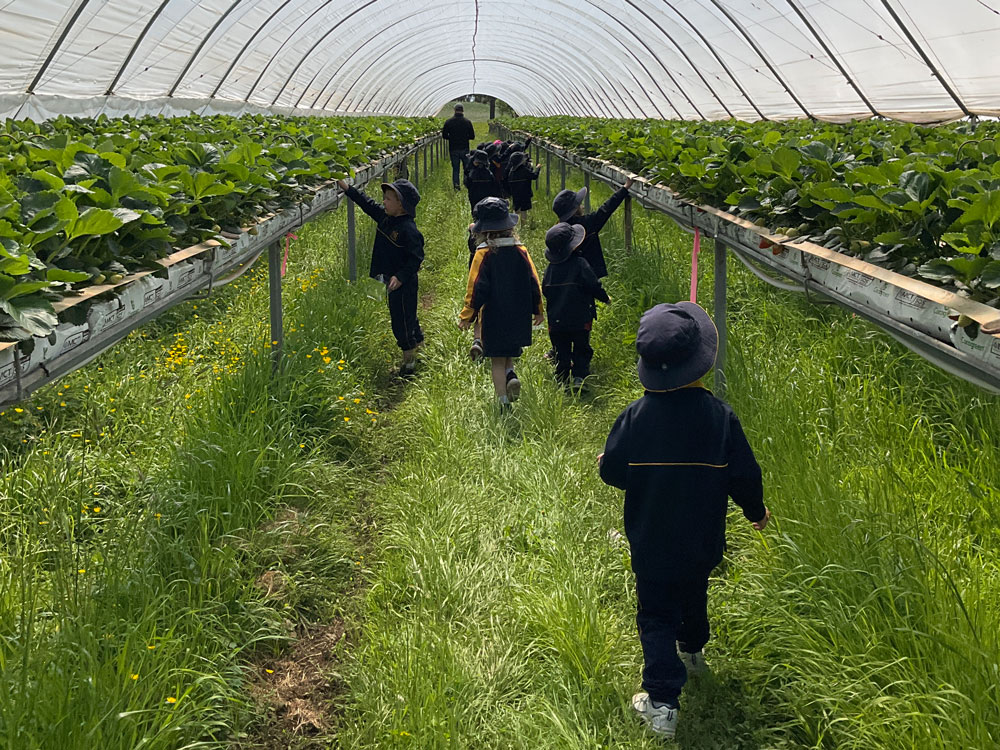
Throughout this year, Early Learning Brown children have been fascinated with bugs, bees and other insects. This evolved into wondering where bees and insects make their homes.
Everyone has been busy planting seeds and creating a garden to attract these insects so that we can observe them in their natural environment. This has sparked discussions about what happens beneath the ground, how we can care for our plants, and the important role bees play in our ecosystem.
On Monday 10 November the class visited Tasmanian Berries where our understanding of the importance of bees was consolidated. We were able to ‘taste test’ different varieties of strawberries, we learnt about which strawberries to pick, and where they are stored before they are transported to the supermarket. What an amazing learning experience!
Deirdre Brown
Teacher
LEGACY JUNIOR PUBLIC SPEAKING
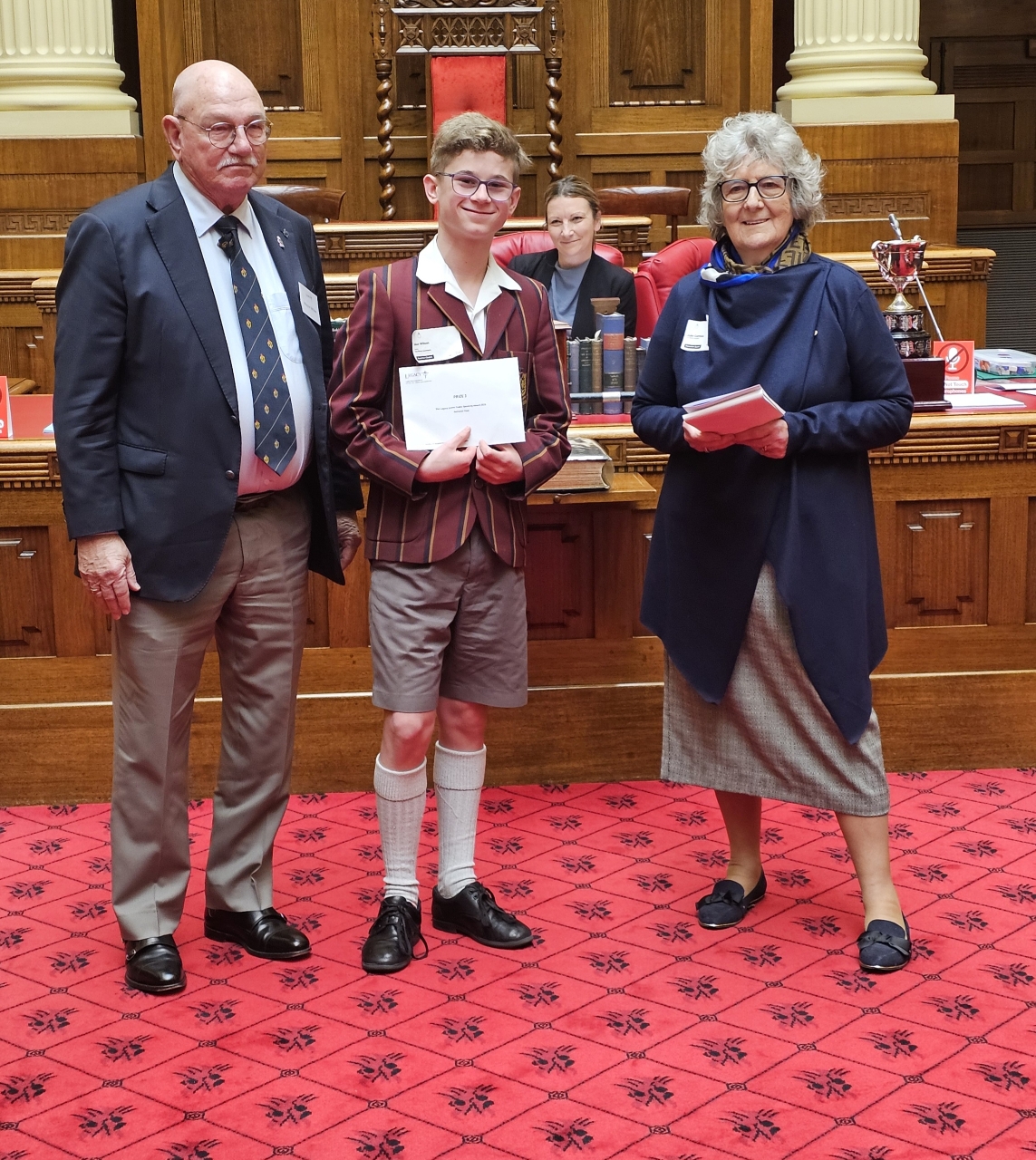
Year 8 student Max Wilson and Year 9 Shiv Kataria proudly represented Tasmania in the National final of the Legacy Junior Public Speaking Award held at the Parliament House in Adelaide recently.
Competing against some of the best young speakers from across the country, both students delivered impressive speeches that reflected their preparation, confidence, and passion for public speaking. Max achieved an outstanding result by placing third in the national final, a remarkable accomplishment that highlights his dedication and skill.
Congratulations to both speakers on great achievements.
Katie Lester
Person-in-Charge of Public Speaking
SENIOR PRODUCTION 2026 ANNOUNCED
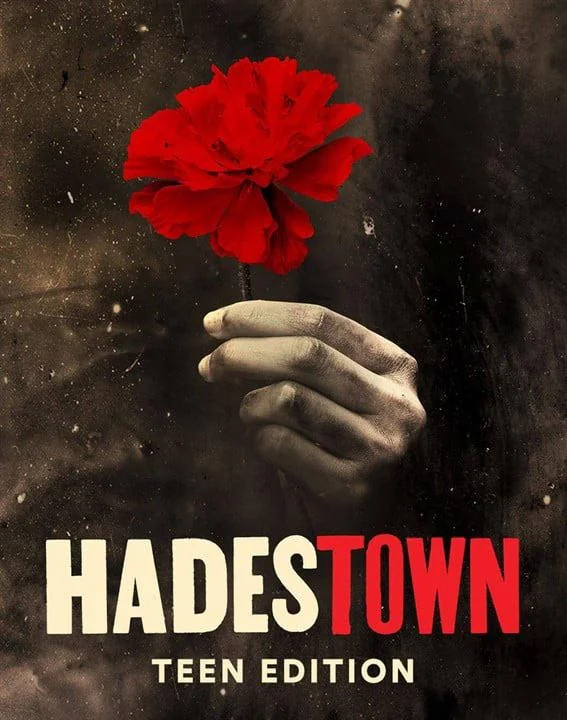
Scotch Oakburn College presents, in 2026, Hadestown (Teen Edition).
Next year, our Senior School is incredibly excited to bring the electrifying, Tony Award–winning musical Hadestown to the stage in a powerful Teen Edition.
A story of love, hope, defiance and the power of music, Hadestown blends modern folk, jazz, and ancient myth into an unforgettable theatrical experience. Our students will dive deep into this rich, challenging, and beautifully crafted world, and we can’t wait to share it with our community.
Stay tuned for audition details, dates, behind-the-scenes updates and more.
Andy Prideaux
Head of Performing Arts
DREAM IT, PLAN IT, OWN IT
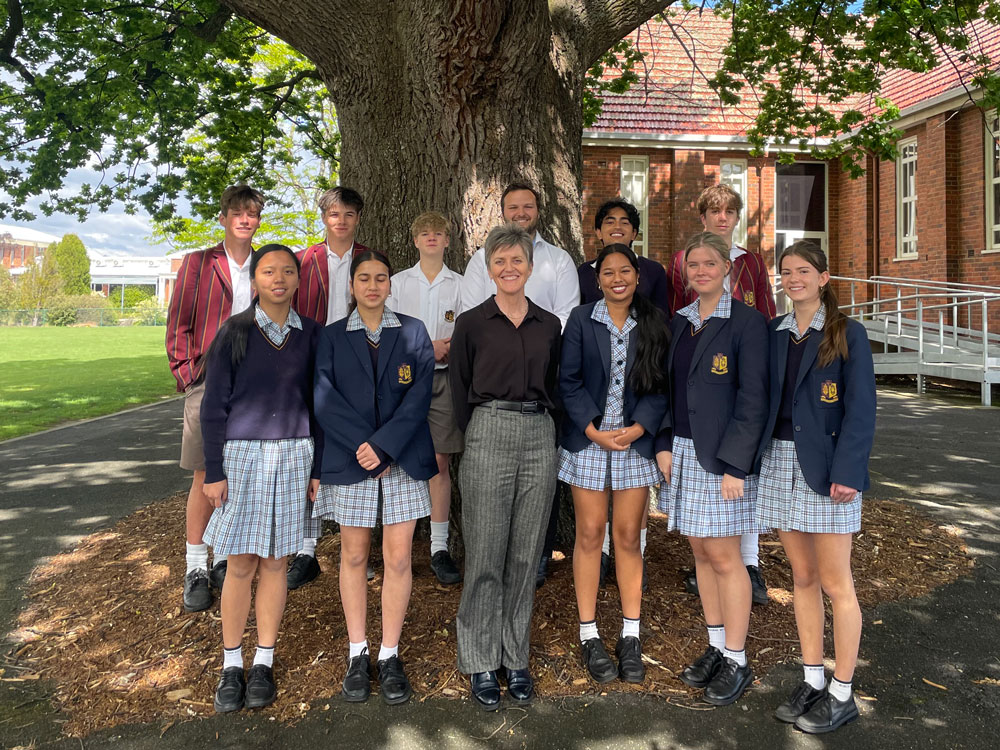
Year 9 Enterprise students recently welcomed Collegian Harrison Wagner (’21) from McGrath Launceston for an eye-opening session on “Buying Your First House – A Guide to Help You Get Started.” Harrison shared practical advice on saving for a deposit, avoiding common traps, and understanding the government’s “Help to Buy” shared equity scheme, including what it means when you eventually sell.
The highlight of the session was a hands-on challenge where students imagined their dream suburb, researched average house prices, calculated the deposit needed, and worked out how long it would take to save that amount based on $100 per week. The winning moment? Realising just how many years (or decades!) it takes to turn a dream into reality made the importance of starting to save earlier crystal clear.
It was a proud moment to see Harrison, a past student of mine, who studied Business Studies and Economics with me, applying all that learning in the real world and sharing it with the next generation. A huge thank you to Harrison for making financial literacy fun, practical, and inspiring.
Joy Russell
Teacher
RAISE OUR VOICE
The Raise Our Voice Australia Youth Campaign is a national initiative that empowers young Australians under 25 to have their ideas heard in Parliament. Year 9 student Lucia Vaca contributed her thoughts and Member for Bass, Jess Teesdale, recently chose to share Lucia’s words.
JOHANNESBURG AND CAPE TOWN COME TO LAUNCESTON
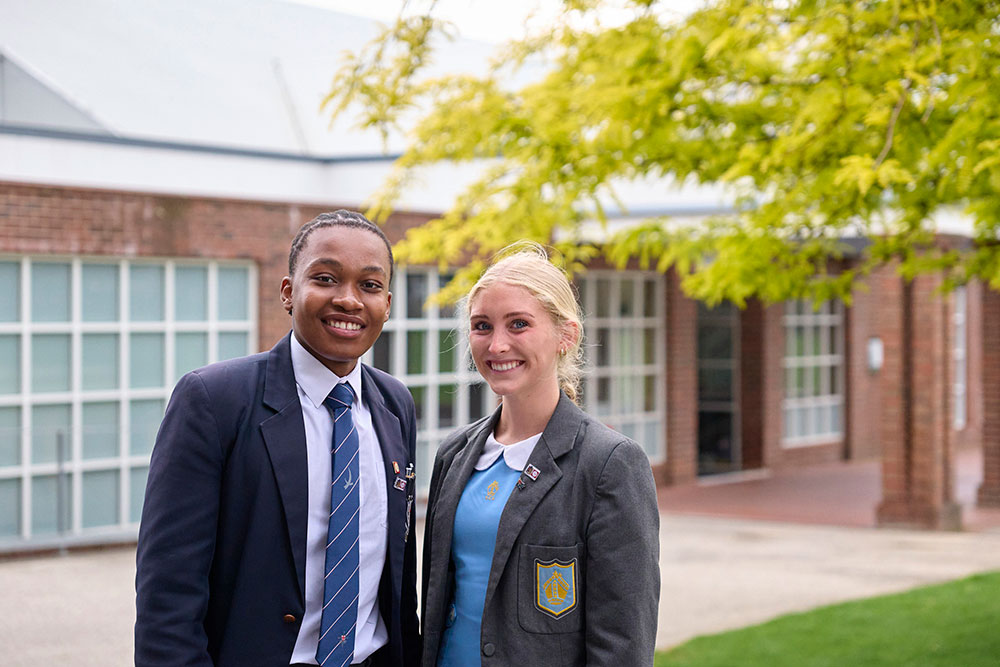
Throughout Term 4, we have been lucky to have Cayleigh Charton from St Cyprian’s School in Cape Town and Tlotliso Bogatsu from St Stithians Boys’ College in Johannesburg join our Year 10s as exchange students. Their presence on campus has been a delight, and last Friday they shared this lively dialogue with us all:
Cayleigh: G’day mates. I’m Cayleigh, from Cape Town.
Tlotliso: Yeah, she’s been here for a few weeks and thinks she’s native. I’m Zethu, from Johannesburg.
Cayleigh: We’re both exchange students from South Africa, and today we’re going to chat about what it’s been like — not just living here in Tasmania — but also hosting exchange students back home, plus some of the similarities and differences we’ve noticed.
Tlotliso: Basically, we’ve now been on both sides of the exchange — and it’s made us see both home and here in a completely new way.
Cayleigh: Hosting someone was actually one of my favourite parts. You suddenly see your city through their eyes — things that felt ordinary to you are brand new to them.
Tlotliso: Exactly. Showing Lachie life in the Burg and seeing him experience things I find normal was cool — from our accents to the skyscrapers of Sandton.
Cayleigh: Same with Lila — she couldn’t believe how close Table Mountain was to the school.
Tlotliso: And you start doing things you’d never normally do — visiting tourist spots like Vilakazi Street or Mandela’s House.
Cayleigh: It’s like being a tourist in your own home. You stop rushing and actually notice things.
Tlotliso: Hosting was fun — a little chaotic sometimes — explaining slang, translating languages I barely understand, and why we say “shame” for basically everything.
Cayleigh: Yeah, that one confused everyone. “That’s such a cute dog, ah shame.” “You failed a test? Ah shame.” It just works for everything.
Tlotliso: There are challenges too — like when your parents want to go on safari for the weekend but you’ve got three parties to attend!
Cayleigh: But when we came here, everything flipped — suddenly we were the ones asking all the questions.
Tlotliso: Arriving in Launceston at night was a shock. Walking out the airport doors and feeling that cold breeze hit my face literally made me shiver.
Cayleigh: Seeing the landscape was my first impression — fresh air, warm sun, green hilly fields, and the occasional wallaby on the side of the road.
Tlotliso: I didn’t see much that night, but driving home without the city lights of Joburg was different — a good different.
Cayleigh: Experiencing something new gives you a completely fresh perspective.
Tlotliso: True. Starting in a new town where you don’t know anyone and barely understand the accent is tricky, but once you get the lingo, you go from nodding politely to actually joining in.
Cayleigh: Honestly, after not even knowing where Tasmania was, then hearing from friends in Sydney that it’s where their parents go wine tasting, I’ve been surprised by how beautiful it is.
Tlotliso: Yeah, coming from Joburg with over 5 million people, it’s been nice to experience smaller-town life.
Cayleigh: School here is really different too. Back home it’s more formal, with detentions flying at you left, right, and centre.
Tlotliso: Here it’s more laid-back — you don’t have to call every adult sir or ma’am.
Cayleigh: Sport back home is more competitive — everyone plays, with multiple practices each week and Fridays and Saturdays set aside for matches.
Tlotliso: And the school spirit is massive — chanting war cries with saxophones, guitars, trumpets, you name it, all to inspire the team.
Cayleigh: And when the Springboks play, the whole country comes together — even people who’ve never watched rugby suddenly have opinions about the referee!
Tlotliso: Another difference is that we both go to single-gender schools. Mine has a girls’ side on the same campus.
Cayleigh: And although that might sound boring, it’s actually great. You just roll out of bed, throw your hair up, and everyone else has done the same.
Tlotliso: Both systems work, each with their own focus. I’ve loved that change.
Tlotliso: At St Stithians — or Saints — we host an annual sports festival where schools from across South Africa and beyond compete in football, rugby, hockey, and netball. The school spirit is incredible — war cries, painted faces, even “spells”! When we win, everyone storms the field.
Cayleigh: We’ve noticed plenty of similarities and differences between here and home.
Tlotliso: The slang, school start times, and poverty levels back home — still linked to the Apartheid era — really stand out.
Cayleigh: I still can’t get over how school here starts an hour and a half later. The 6am wake-ups back home aren’t for the weak.
Tlotliso: That extra hour makes a difference!
Cayleigh: And the traffic — unlike here, driving 10km in Cape Town can take half an hour, and if you leave 5 minutes late, you’re stuck for an hour.
Tlotliso: Here there’s barely any traffic — and you can actually walk around safely. Back home, a walk after dark quickly turns into a sprint!
Cayleigh: Despite the differences, there are things that remind us of home — like the friendliness and love for wildlife, even if it’s wallabies instead of lions and elephants (though thankfully we don’t find elephant poo on our school fields!).
Tlotliso: Another similarity is the love for sport — here it’s footy, back home it’s rugby. Either way, someone’s getting tackled by the end of it.
Cayleigh: So yeah, being an exchange student — whether you’re hosting or being hosted — really opens your eyes.
Tlotliso: You start noticing the little things, appreciating the big things, and learning that every place has its own rhythm and charm.
Cayleigh: Exactly. So if you ever get the chance to go on exchange — do it. You’ll probably learn more than you expect.
FINANCIAL SKILLS AND EQUITY IN FOCUS
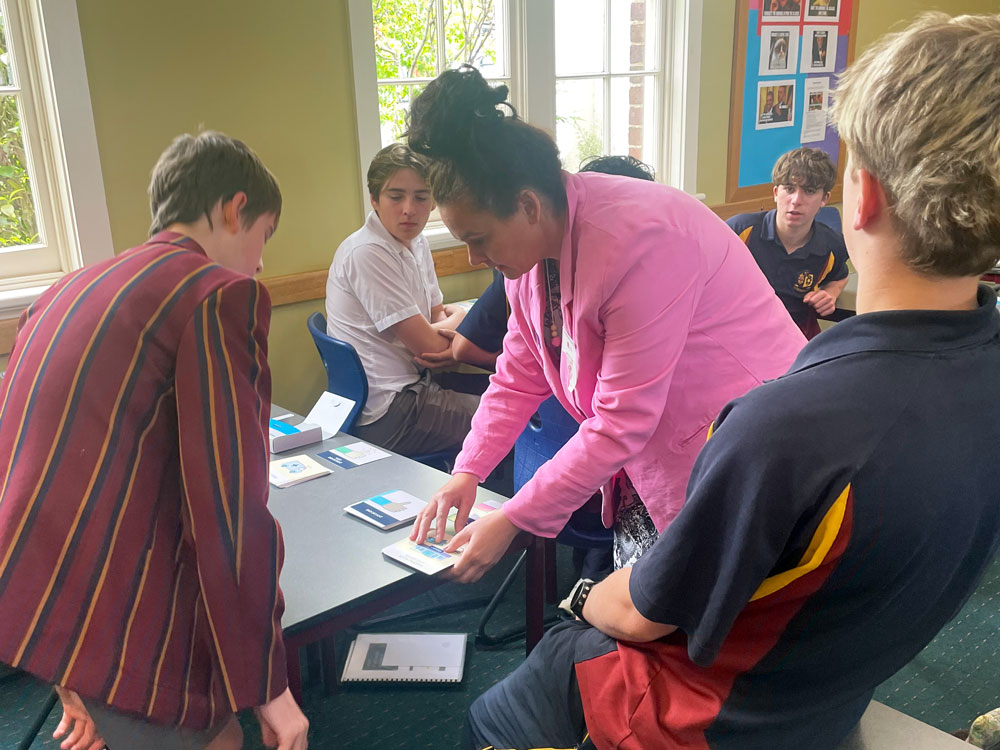
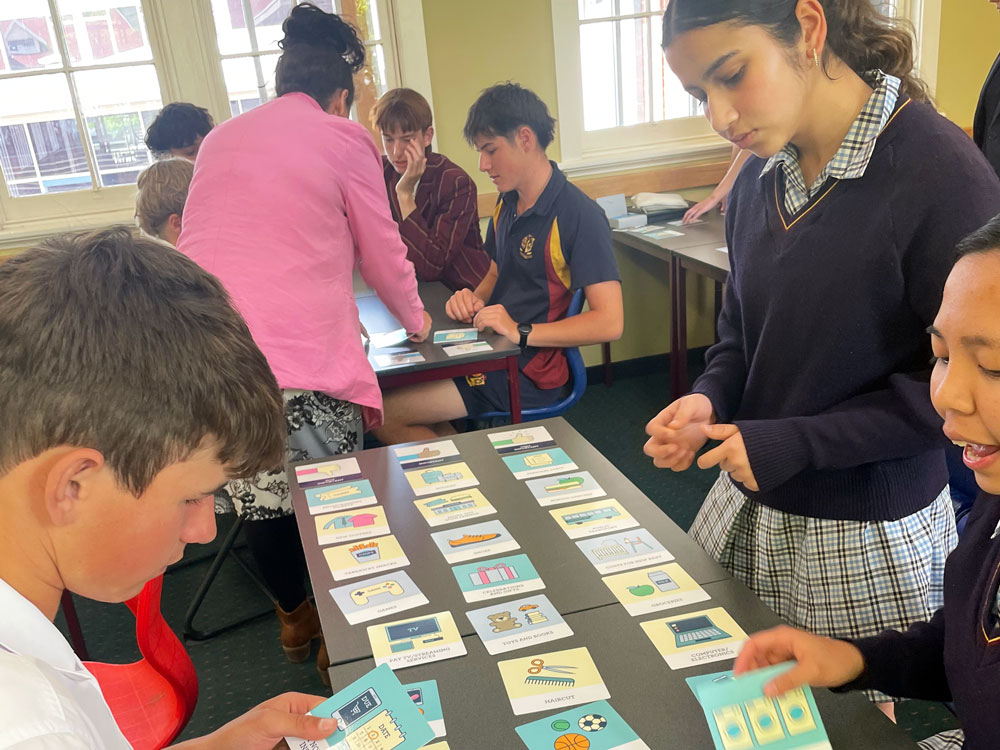
Year 9 Enterprise students recently welcomed Verity Quill from Women’s Legal Service Tasmania for an inspiring session on financial literacy and gender equality.
Through interactive activities, students explored the gender pay gap, prioritising expenses, and the importance of financial conversations at home and in relationships. Verity highlighted practical strategies such as creating a “safety fund” and understanding needs versus wants, while also addressing online safety and the influence of social media on spending. Her message was clear: smart money choices empower independence and equality. The session challenged students to think critically about money choices and empowered them to take control of their financial future with confidence.
Joy Russell
Teacher
SOCIAL MEDIA AGE RESTRICTIONS
What parents need to know

Image source: esafety.gov.au
From 10 December 2025, Australian law will require social media users to be at least 16 years old. This change aims to protect young people from risks such as cyberbullying, grooming, scams, and the addictive design of platforms that are known to negatively impact mental health, sleep, and self-esteem. The law places more responsibility on tech companies to enforce age limits and use age assurance technology.
Working together matters. Schools and families also share the responsibility of supporting young people through this transition. Parents play a vital role in helping enforce the law at home and modelling healthy digital habits.
Here are some helpful tips to assist teens and their parents as 10 December approaches.
Helping Young People Adapt to Social Media Restrictions
- Start now: Begin conversations early about the changes and how they might affect your child emotionally and socially. Give them time to adjust and plan together.
- Stay calm and curious: Listen without judgment. Social media may feel like a big part of their identity.
- Ask open questions: Use prompts like “What do you think about…?” instead of yes/no questions. Allow time for them to respond, even if it takes days.
- Validate their feelings: Acknowledge that change can be hard, especially when friendships and identity are involved.
- Focus on strengths: Remind them of their creativity, resilience, and problem-solving skills.
- Find alternatives together: Explore other ways to meet the needs social media fulfilled such as sports, hobbies, volunteering, or creative projects.
Tips for Families to Adapt
- Reduce screen time gradually: Start cutting back before 10 December to make the transition easier.
- Create screen-free zones: For example, no phones at the dinner table.
- Lead by example: Reduce your own social media use to show solidarity.
- Use tools wisely: Apply screen time limits or parental controls to help manage habits.
- Seek support: It’s okay not to have all the answers. Use trusted resources like the https://www.esafety.gov.au, talk to other parents, and reach out to https://www.beyondblue.org.au if you feel overwhelmed. Two useful pages of esafety,gov.au are the Social Media Age Restriction Hub and Which social media platforms are age-restricted?.
Kylie Wolstencroft
Director of Wellbeing – Penquite
PARKING AT 1 AMY ROAD NEWSTEAD
Parents and students are reminded that parking at 1 Amy Road (shops including Clove Café) is strictly for customers. Please do not use this parking as a ‘wait zone’ prior to collecting students from campus, or prior to dropping them off.
We have received multiple requests from the owner of the property on behalf of their tenants. We enjoy an otherwise positive relationship with these businesses, especially Clove Café, and would not want to compromise this in any way.
Thank you for your understanding.
Karen van der Aa
Business Manager
BRAVEHEARTS PERSONAL SAFETY
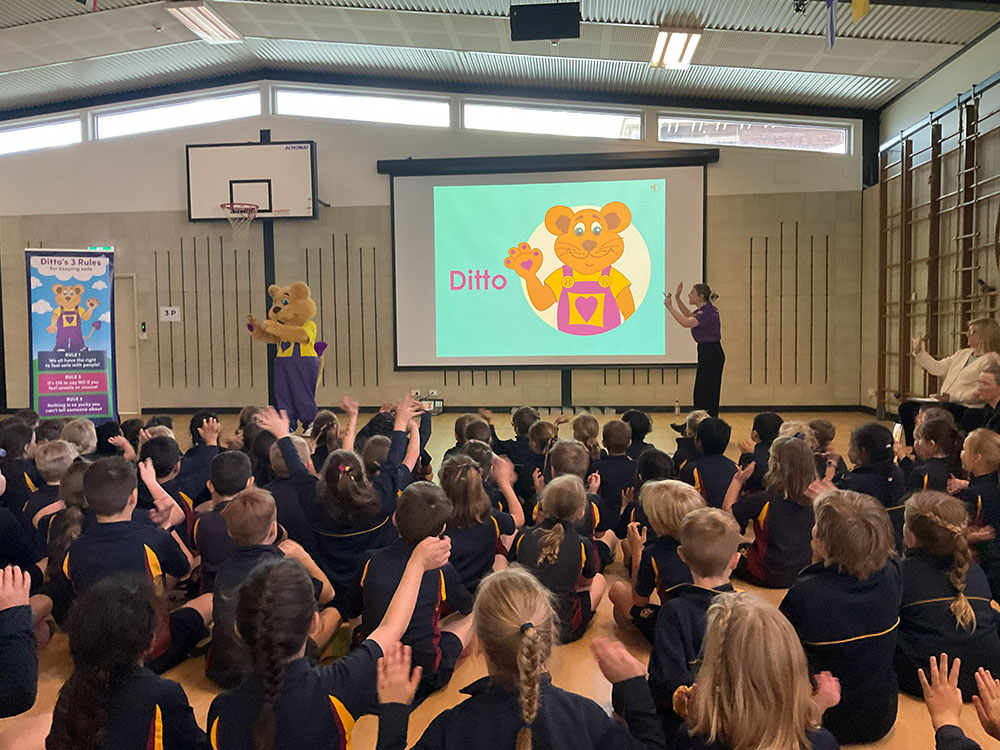
This Term, Early Learning Erina and Elphin and Prep/Year 1 students participated in Bravehearts’ Ditto’s Keep Safe Adventure Show.
The program is designed to teach children essential personal safety skills in a fun, age-appropriate way. Through songs, stories, and interactive activities, students learned about body boundaries, safe and unsafe secrets, and the importance of speaking up if they ever feel unsafe.
Bravehearts’ mission is to empower children with knowledge and confidence to protect themselves. Our students enjoyed meeting Ditto the lion and engaging in conversations about staying safe in everyday situations.
Thank you to Bravehearts for supporting our school community in creating a safe and caring environment for all children.
Renee Hodgetts
Director of Welleing – Elphin
SPORT
Basketball
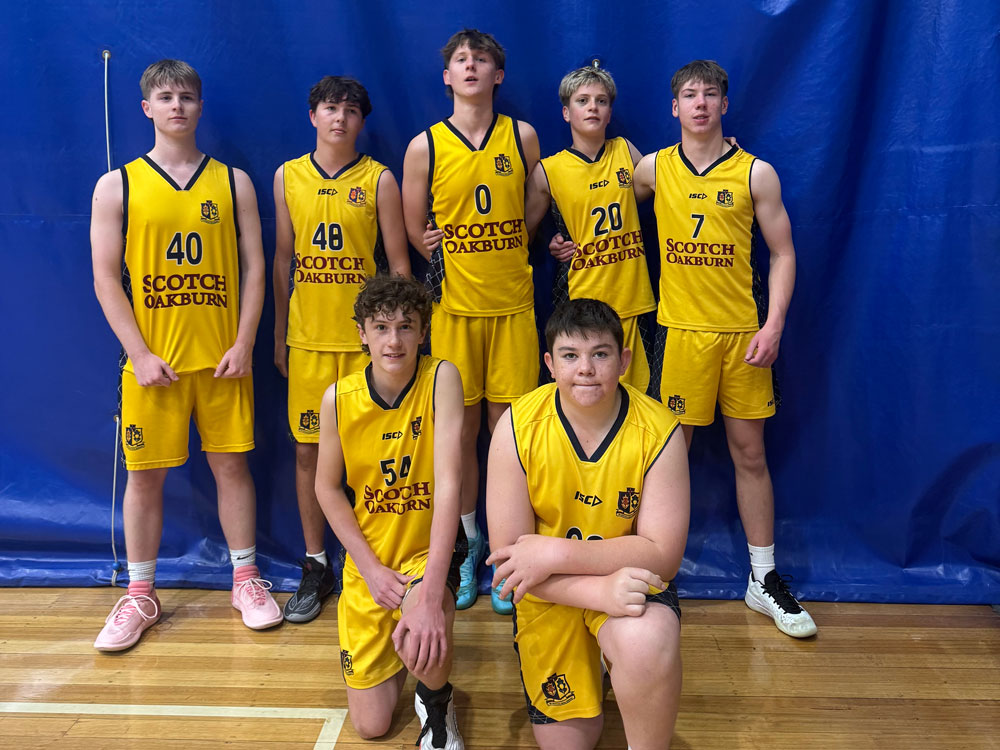
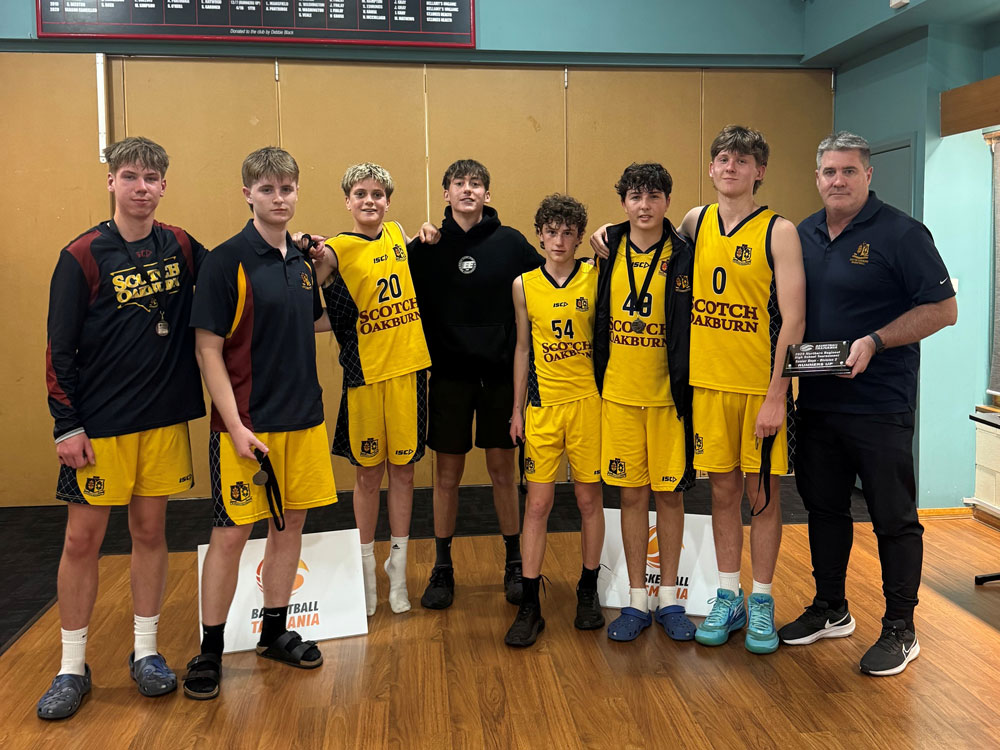
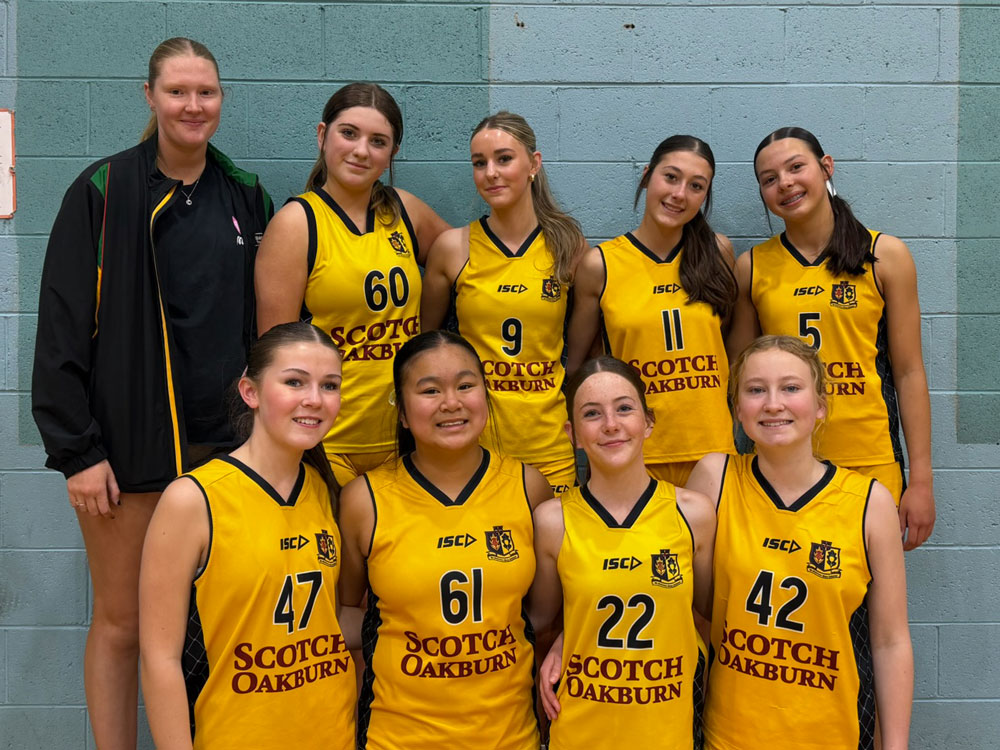
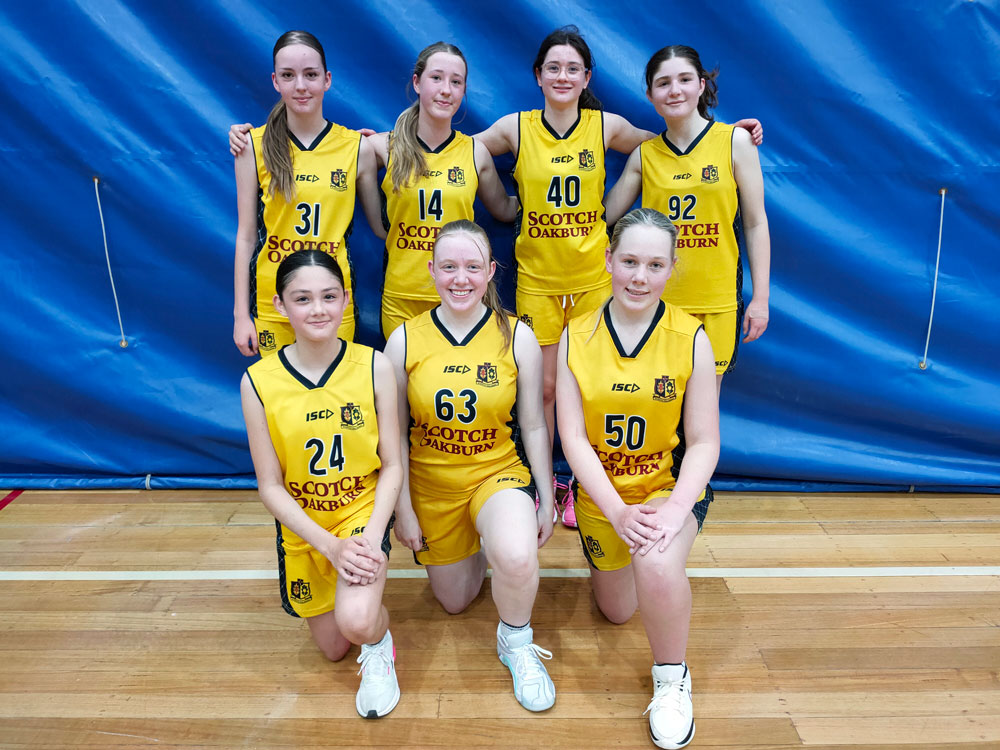
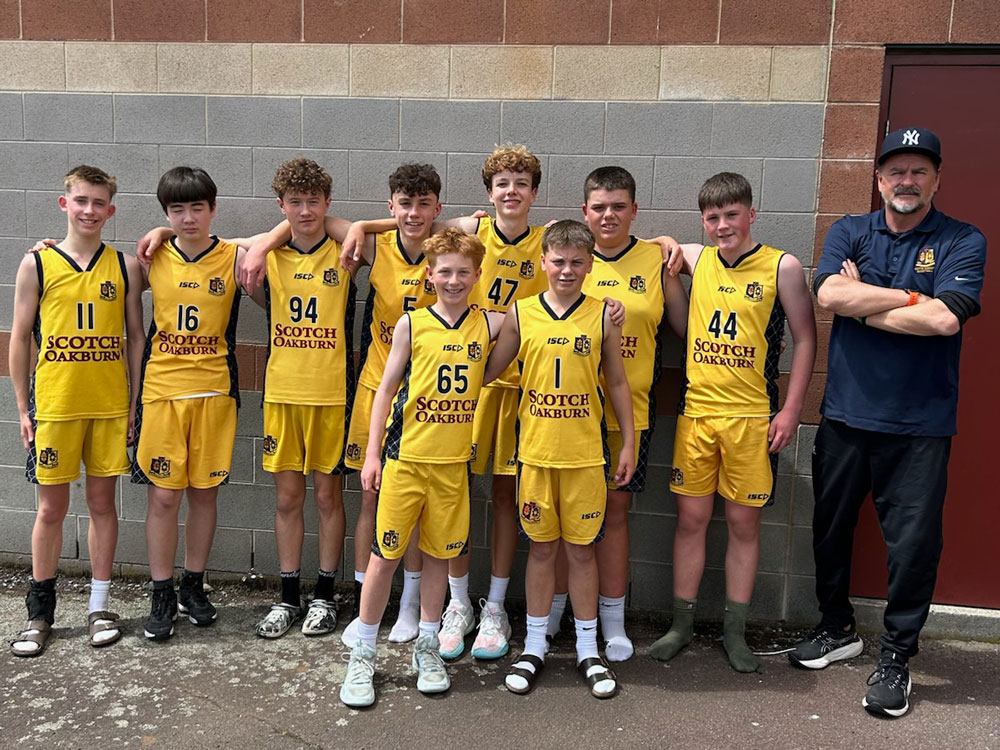
Four College teams recently competed in the Basketball Tasmania Regional High School Tournament. Games were played across multiple venues at Elphin Sports Centre and St Patrick’s College.
Our Year 7/8 Girls Division 1 team played against some strong opposition and although not winning a game showed great passion, teamwork and spirit across the weekend with improvements game to game. Our Year 7/8 Girls Division 2 team were also drawn in a strong pool of teams but showed great determination and composure to defeat Kings Meadows High School by a point 28-27.
Our Year 7/8 Boys team defeated Launceston Grammar in their opening game before a narrow loss to St Patrick’s College in their afternoon game. Their third match also saw a loss to Queechy High School but they still managed to finish the group in third place to set up a playoff against Launceston Grammar for the final qualifying spot in the state champs. Unfortunately, despite leading for large parts of the game, they went down by two points in double overtime. The resilience shown by the group to push through the extended match at the end of a big weekend is commended and although falling just short in the end they represented the College with great spirit and dedication.
Our Year 9/10 Boys team were a little down on manpower due to exam preparation, but this didn’t dampen their spirits as we put a composite team together for the weekend. Their tournament was a huge success winning all four of their pool matches to finish top of their group and set up a final against Deloraine High School. In the final, after a long weekend of games, Deloraine proved too strong with a 64-31 victory. The team held their heads high throughout and it was great to see some of the younger members of the team step up and the leadership shown by the Year 10s who were able to play. Congratulations on being tournament runners up in Divison 2.
A big thank you to the team managers, score bench assistants and referees who gave up their time and assisted in getting our teams onto the courts across the weekend. Well done to all and we look forward to closing out the school year with NHSSA finals approaching.
Andrew Nichols
Person-in-Charge of Basketball
Hockey
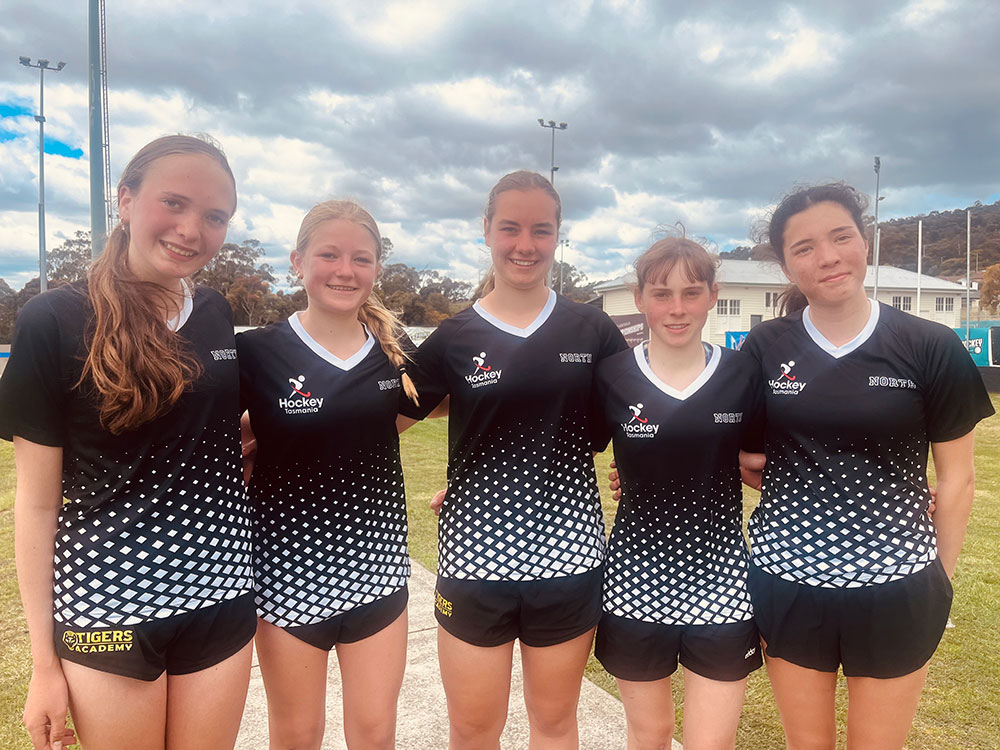
Five students recently represented the U16 Northern team at the Under 16 State Hockey Championships. The students, Gwen Mcloughlin, Samantha Taylor, Annabel Crisp, Olive Kwan and Tully Russell were joined by College coach Keegan Jacobs and parents Hamish Crisp and Nigel Russell, involved with coaching the teams.
Ali Foot
Head of Sport – Penquite
Stay Connected

Download The Dash App to stay up to date on information specific to your child, including excursions, permission slips and important dates.

Visit SchoolTV. A parenting wellbeing resource.