Skip to content



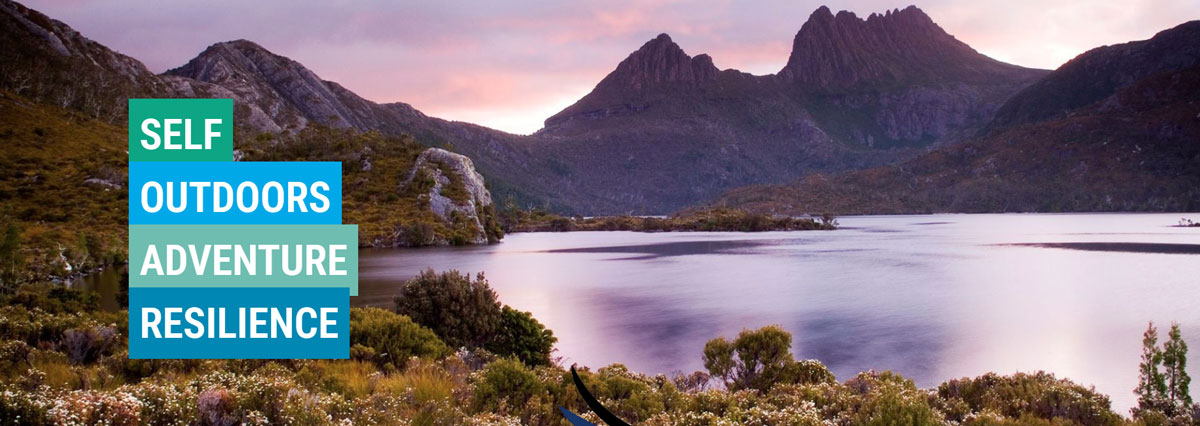
SELF
OUTDOORS
ADVENTURE
RESILIENCE

Education Outdoors at Scotch Oakburn College is a purposeful, progressive and deeply embedded learning experience that uses the natural world to develop confidence, resilience, leadership, connection and a strong sense of self.
Through the SOAR Program, students take part in a carefully designed journey from Early Learning to Year 10, building confidence, independence, resilience, leadership and connection through rich outdoor experiences.
From early discovery in local natural spaces to multi-day journeys, students learn through challenge, adventure, teamwork, reflection and place.
A TRULY TASMANIAN EXPERIENCE
Tasmania is at the heart of SOAR.
Its forests, mountains, rivers and coastlines provide a natural classroom where students learn by doing, grow through challenge and develop confidence, resilience and teamwork.
SOAR also supports the College’s Reconciliation Action Plan by encouraging students to learn about the enduring connection Aboriginal and Torres Strait Islander peoples have with Country and to develop respect for the places through which they travel.
While SOAR includes experiences beyond Tasmania, the program remains grounded in this island, its landscapes, changing conditions, cultural heritage and our shared responsibility to care for it.
As part of the Tasmanian Mark program, Scotch Oakburn is proud to deliver an Education Outdoors experience genuinely shaped by Tasmania.

WHAT IS SOAR?
SOAR provides the framework for our Education Outdoors program, giving students, staff and families a shared language for understanding growth across four connected dimensions.
 SELF
SELF
Students learn more about who they are. They build confidence, independence, responsibility, self-awareness and a stronger sense of personal capability.
 OUTDOORS
Students develop a connection to natural environments and learn to value, respect and care for the places they explore.
 ADVENTURE
Students engage with new experiences, unfamiliar settings and purposeful challenge in ways that are safe, supported and exciting.
 RESILIENCE
Students learn to adapt, persist, manage uncertainty and respond positively when things are difficult or unexpected.
OUR LEARNER
ATTRIBUTES IN ACTION
Education Outdoors is one of the most powerful ways students experience the Scotch Oakburn Learner Attributes in real and memorable ways.
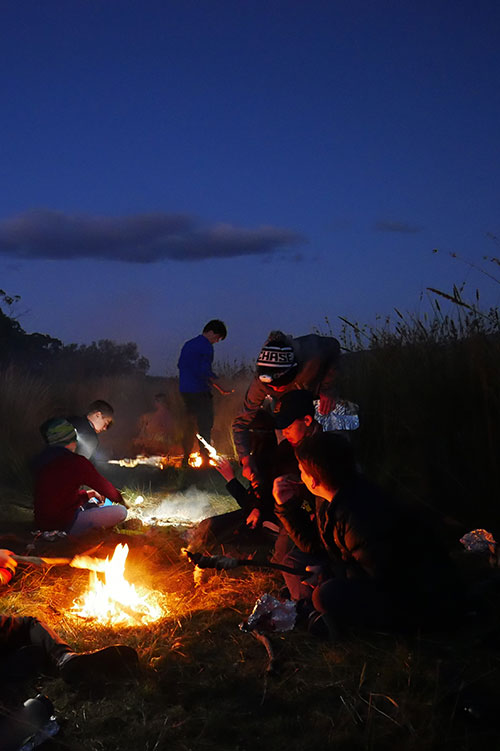
Through the SOAR Program, students are not simply learning about confidence, courage, collaboration or resilience, they are practising them. They are packing their own bag, encouraging a friend on a ropes course, asking questions in a new environment, listening to others around a campfire, making ethical choices in natural places, and learning how to manage themselves when plans change.
SOAR provides the outdoor journey. The Learner Attributes describe the growth that happens along the way.
As students develop a stronger sense of Self, they become more self-regulating, courageous and agile. As they connect with the outdoors, they grow as curious, ethical and compassionate learners who understand their place in the world. Through adventure, they practise collaboration, communication and innovation as they solve problems, take responsible risks and try new ways of thinking. Through resilience, they learn to persevere, reflect, adapt and continue growing through challenge.
In this way, Education Outdoors does not sit separately from learning at Scotch Oakburn. It strengthens it. SOAR brings the Learner Attributes to life through experience, helping students develop the confidence, character and capability to thrive in and beyond the classroom.
A Journey That Grows
with Every Student
Education Outdoors at Scotch Oakburn is a progressive journey. Each stage is designed to be age-appropriate, purposeful and connected to the next.
The journey begins with discovery and confidence in the early years, then grows into independence, belonging, leadership, perspective and personal choice. By Year 10, students are ready to take greater ownership of their Education Outdoors pathway and apply what they have learned in meaningful, challenging and memorable ways.
Discovery and confidence
Early Learning and Year 1
Location: Local environments
Duration: Short day sessions
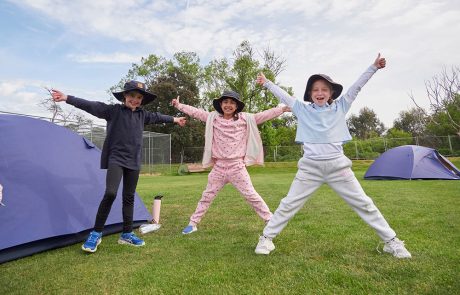
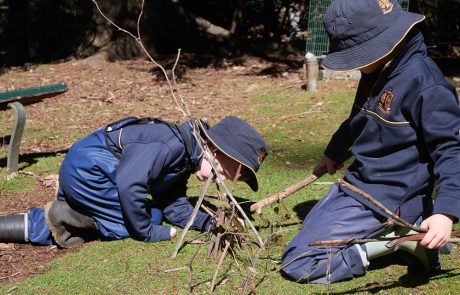
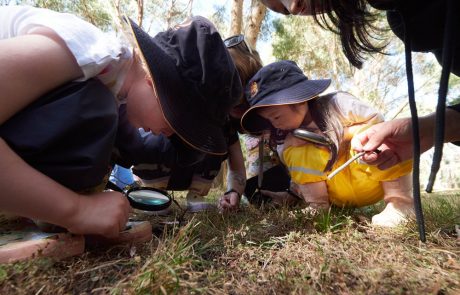
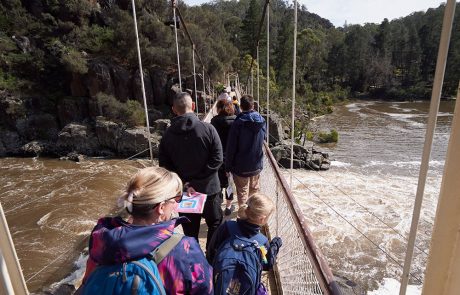
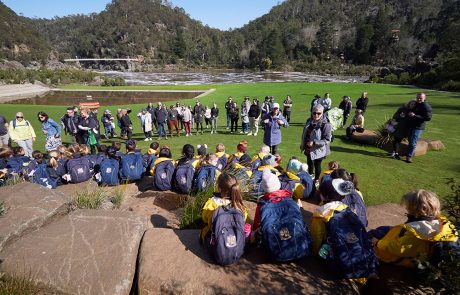
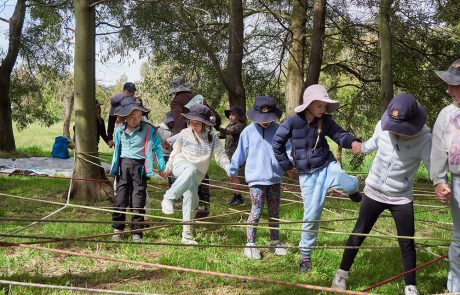
Overview: In the earliest years, Education Outdoors begins close to home. Students explore familiar and local environments such as the College grounds, Wetlands, nearby parks and places such as Cataract Gorge. Through play, observation, movement and shared experiences, they begin to build confidence in the outdoors.
At this stage, the focus is on helping students feel safe, curious and excited about outdoor learning. They learn to follow instructions, participate in group experiences, explore natural spaces and gradually develop independence.
Year 2
Location: Elphin Campus, Scotch Oakburn College
Duration: 1 night
Overview: The early primary learning journey culminates in a supported one-night stay on campus, helping students develop confidence in being away from home in a familiar and secure environment.
Students develop: Confidence, curiosity, early independence and a positive connection with outdoor learning.
Students are introduced to SOAR through safe, structured and enjoyable experiences.
Building Independence and Connection

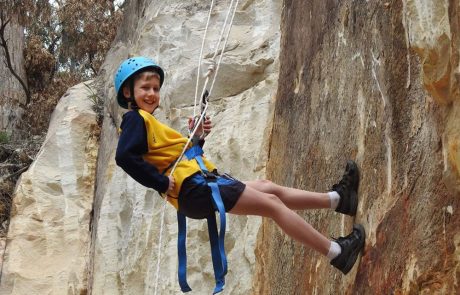
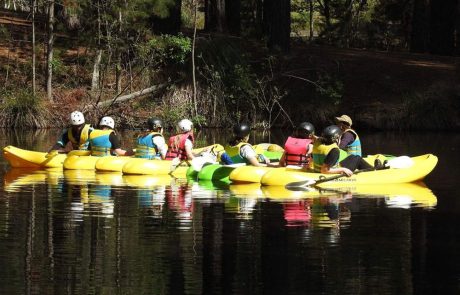
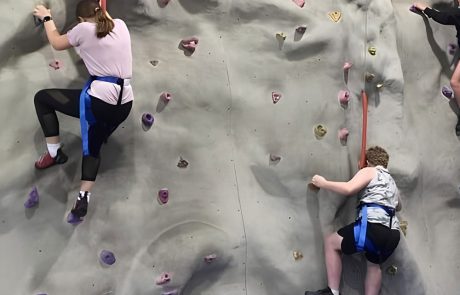
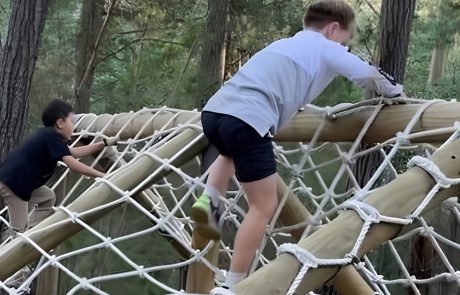
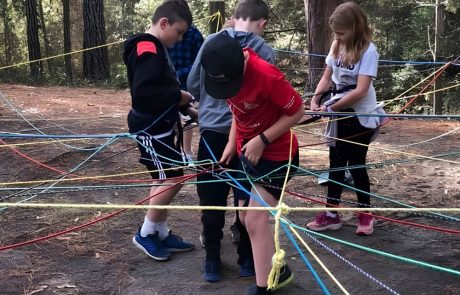
Image source: Spring Beach Youth Camp
Year 3 and Year 4
Location: Spring Beach Youth Camp, Spring Beach
Duration: Year 3: 1 night Year 4: 2 nights
Overview: A coastal experience focused on exploration, confidence and connection to place. Students may take part in beach walks, rock pool investigations, archery, low ropes, flying fox, swimming, fishing, group games and coastal exploration.
These programs introduce students to overnight camps in supported environments. Students learn to organise their belongings, follow shared routines, contribute to group responsibilities and take part in a range of outdoor, recreational and team-based activities. They begin to build independence while strengthening connection.
Students develop: Independence, responsibility, teamwork, confidence and resilience through supported challenge.
Students build confidence as they learn to manage themselves and explore new environments.
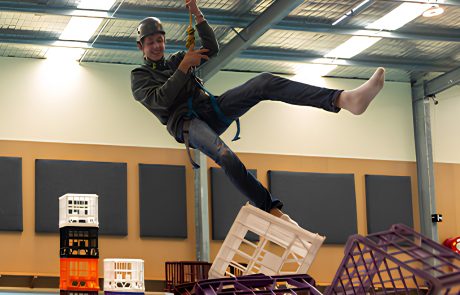
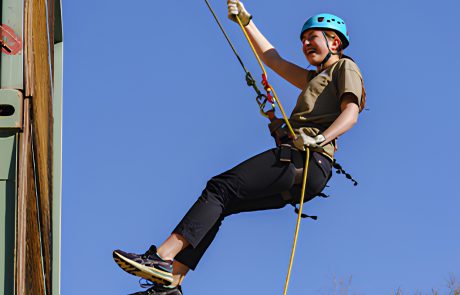
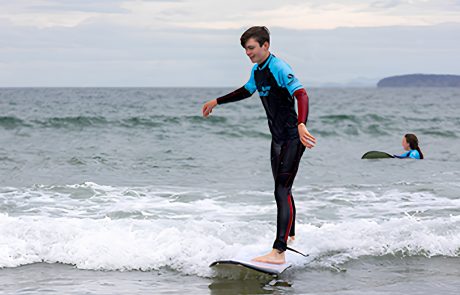
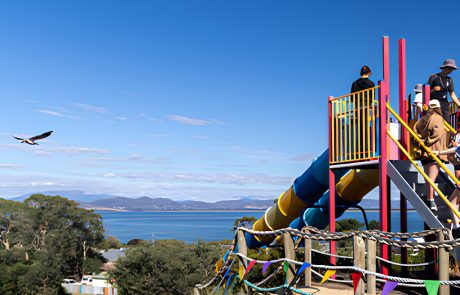
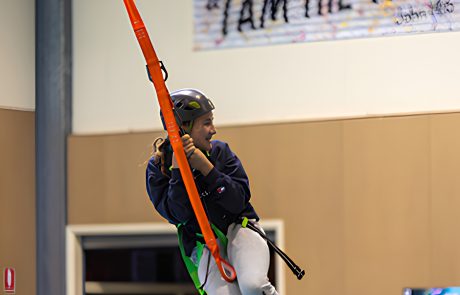
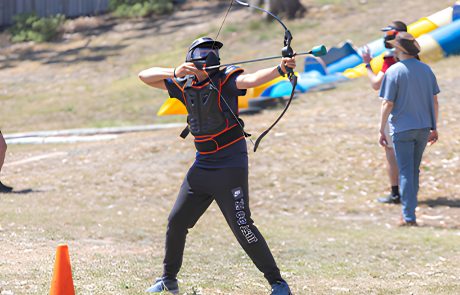
Image source: Blue Lagoon Youth Camp
Year 5
Location: Blue Lagoon Youth Camp, Dodges Ferry
Duration: 3 nights
Overview: A beachside camp experience combining water-based activities, team building and outdoor recreation. Students may participate in surfing, archery, abseiling, beach games, campfires, climbing activities and group challenges.
Building on their earlier overnight camp experiences, students take greater responsibility for managing their belongings, following shared routines and contributing to group tasks. Through a longer stay and more challenging activities, they develop greater independence, strengthen teamwork and become more confident in unfamiliar environments.
Students develop: Independence, responsibility, teamwork, confidence and resilience through supported challenge.
Students develop greater independence and responsibility in outdoor environments.
Transition and Exploration
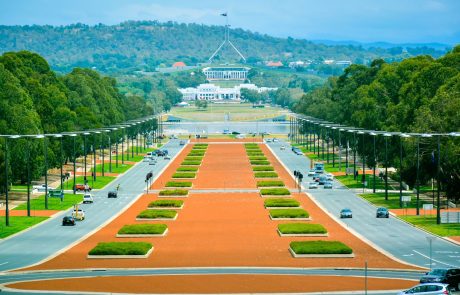
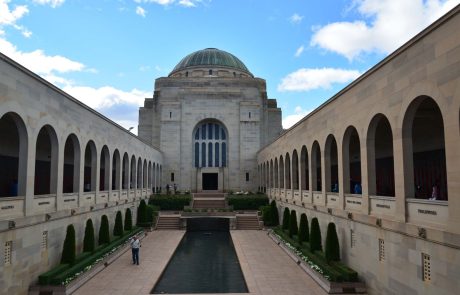
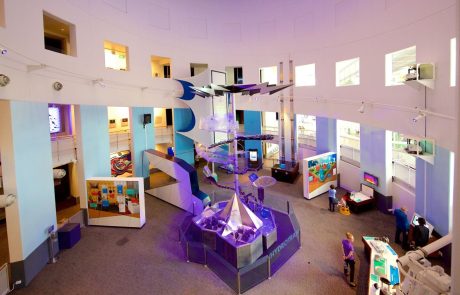
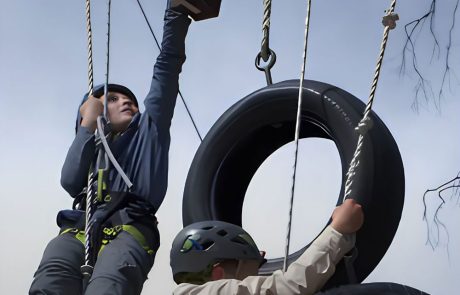
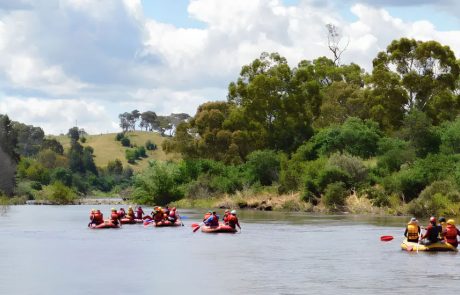
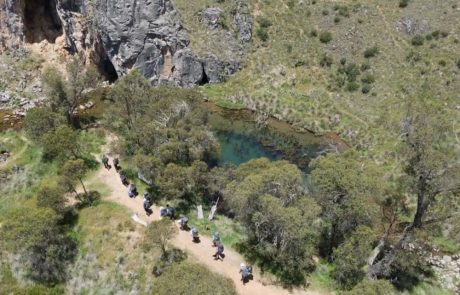
Image source: Thawra, Outward Bound and others
Year 6
Location: Tharwa, Outward Bound, Canberra
Duration: 4 nights
Overview: Year 6 is an important milestone in the Education Outdoors journey. The program broadens students’ experiences beyond Tasmania, combining a Canberra Civics and Citizenship experience with a structured outdoor component. This blend of urban, cultural, historical and outdoor learning helps students expand their perspective and develop greater maturity.
Students engage with national institutions, new environments and shared group experiences, while also continuing to build teamwork, responsibility and adaptability through camp-based learning.
Students develop: Broadened perspective, independence, adaptability and confidence in new settings.
Students strengthen their adaptability through travel, exploration and changing environments.
Belonging and Community
Year 7
Location: Valley Campus
Duration: 4 nights
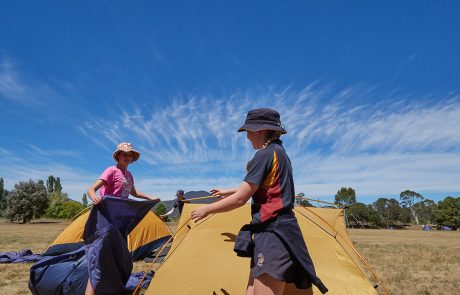
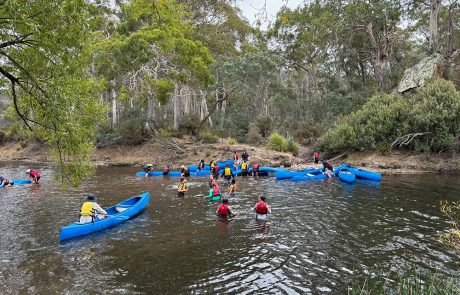
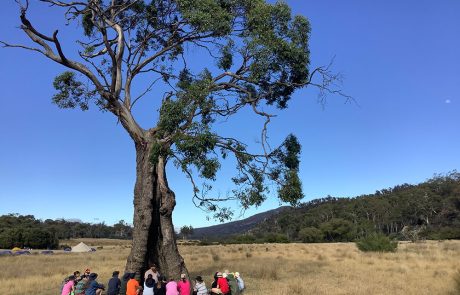
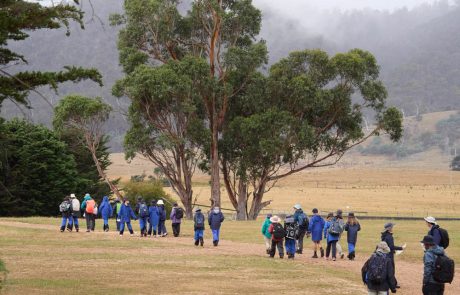
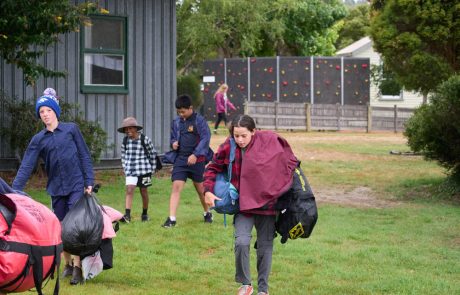
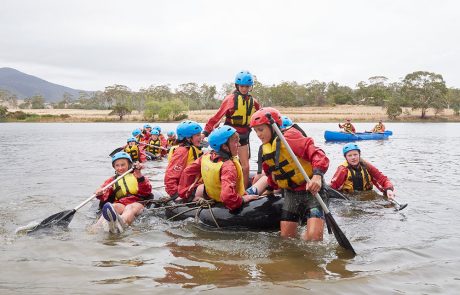
Overview: With a large intake of new students, the Year 7 Education Outdoors experience plays a vital role in supporting students as a larger Year 7 cohort come together.
At the Valley Campus, students take part in a residential experience designed to build relationships, confidence and a strong sense of belonging within the cohort.
Through shared challenges, team activities and structured reflection, students learn the importance of trust, communication and contributing positively to a group.
This experience helps students build stronger connections to their peers, their teachers and their learning environment.
Students develop: Belonging, trust, communication, confidence and connection.
Students strengthen resilience through relationships, teamwork and shared challenge.
Challenge and Leadership
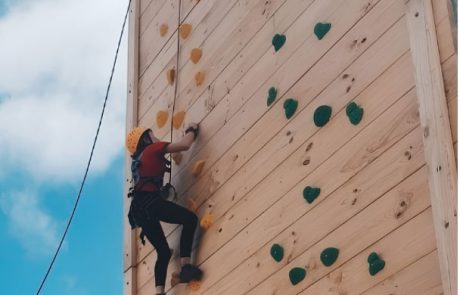
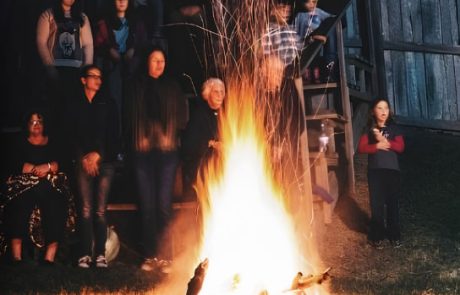
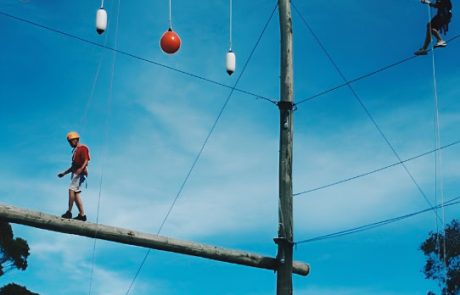
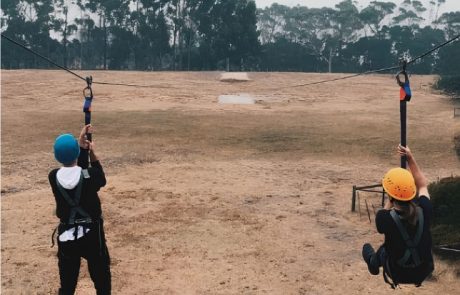
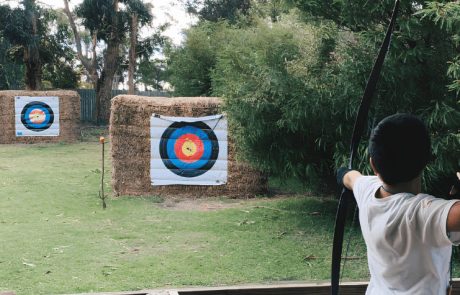
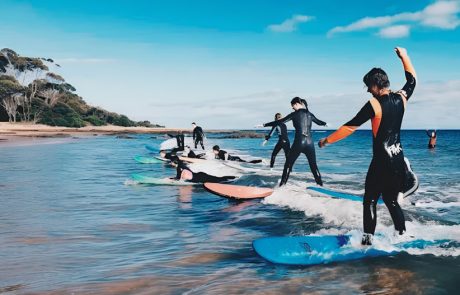
Image source: Camp Clayton
Year 8
Location: Camp Clayton, Ulverstone
Duration: 4 nights
Overview: In Year 8, the focus shifts towards greater challenge, initiative and leadership.
At Camp Clayton, students take part in a residential experience with outdoor and team-based challenges that require problem-solving, perseverance and collaboration.
Through shared challenges, team activities and structured reflection, students learn the importance of trust, communication and contributing positively to a group.
Throughout the program, students learn that leadership is not simply about having a title. It is about showing initiative, supporting others, making good decisions and contributing positively to the group.
Students develop: Leadership, problem-solving, perseverance, independence and responsibility.
Students build resilience through adventure, challenge and real-world experiences.
Integration, Perspective and Experience
Year 9
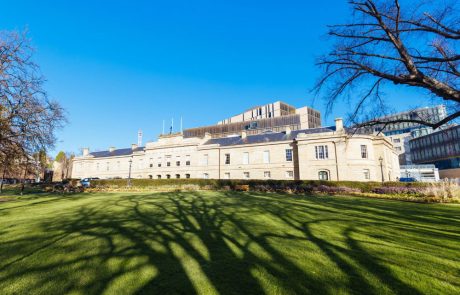
Location: One: Hobart, Port Arthur and surrounds PLUS Two: Options across Tasmania
Duration: 2 nights PLUS 4 nights
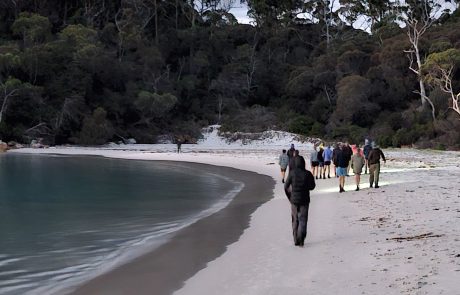
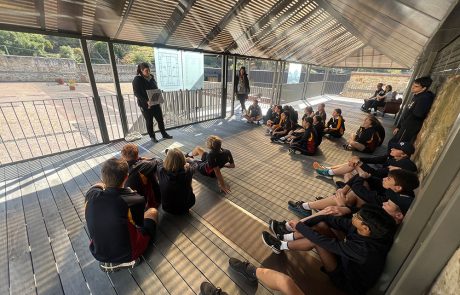
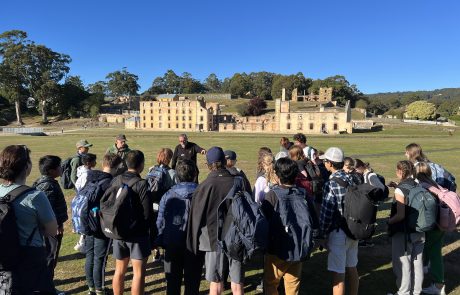
Overview: Year 9 brings together outdoor challenge, cultural learning and historical understanding.
One: Students engage in experiences that help them gain perspective, reflect on human experience and connect their learning to broader themes. This includes cultural immersion in Hobart and Port Arthur, where students consider place, history, responsibility and the experiences of others.
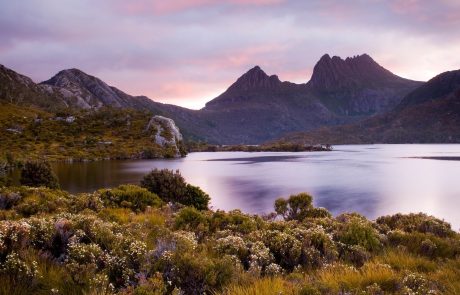
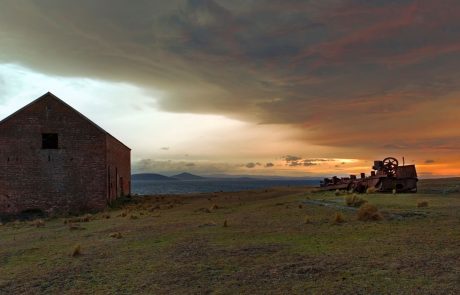
Two: Year 9 students also have the opportunity to take greater ownership of their Education Outdoors journey through a second camp experience. These small-group journey options mirror those available in Year 10, allowing students to engage in more focused, challenging and personal pathways.
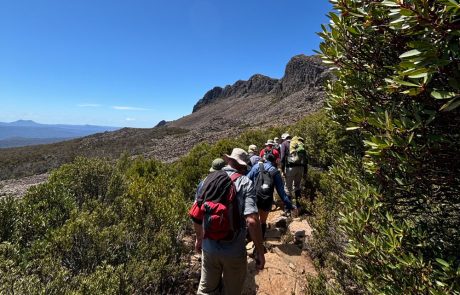
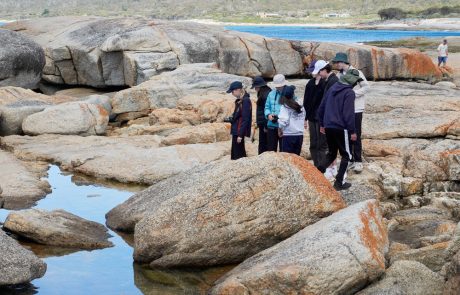
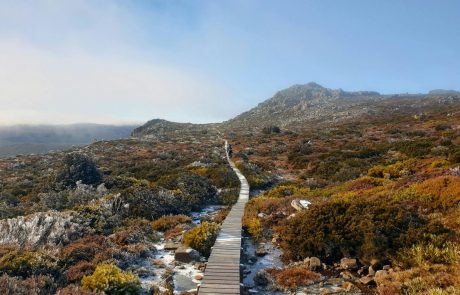
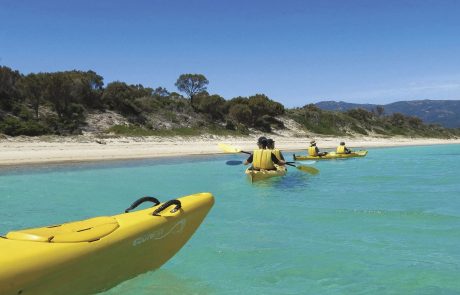
Opportunities include cycling on the East Coast, hiking Cradle Mountain National Park, hiking and sea kayaking at Freycinet National Park, an experience on Maria Island and options at our Valley Campus.
Each camp option may only be completed once across Years 9 and 10.
Students develop: Perspective, reflection, responsibility, independence and deeper self-awareness.
Students deepen their learning through connection to place, reflection and personal challenge.
Choice and Personal Pathways
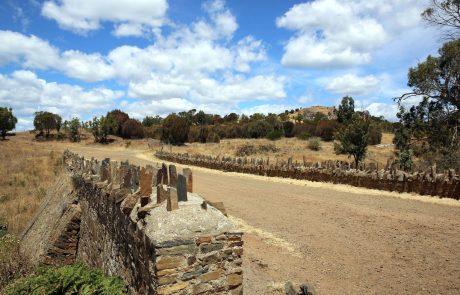
Year 10
Location: Options across Tasmania
Duration: 4 nights
Overview: By Year 10, students are ready to take greater ownership of their Education Outdoors experience.
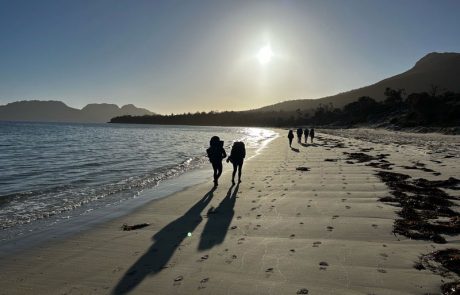
The Year 10 program offers a range of pathway options that allow students to choose experiences aligned with their interests, strengths and aspirations. These may include multi-day outdoor journeys, service-based experiences, cultural experiences or travel opportunities.
Opportunities include cycling on the East Coast, hiking Cradle Mountain National Park, hiking and sea kayaking at Freycinet National Park, an experience on Maria Island and options at our Valley Campus.
This stage represents a significant shift towards agency and personal responsibility. Students are encouraged to make purposeful choices, apply the capabilities they have developed through SOAR and prepare for the increasing independence of Senior School and beyond.
Each camp option may only be completed once across Years 9 and 10.
Students develop: Agency, ownership, independence, resilience and self-awareness.
Students make purposeful choices, embrace meaningful challenge and take responsibility for their experience.
The Lasting Impact
Education Outdoors at Scotch Oakburn College helps students grow in ways that matter.
They develop confidence, resilience, independence and courage. They build stronger relationships. They gain perspective. They learn to respond to challenge, support others and take responsibility for themselves.
These are experiences that shape character and mindset and learning that stays with students.