Skip to content



SELF-REGULATION AT ELPHIN
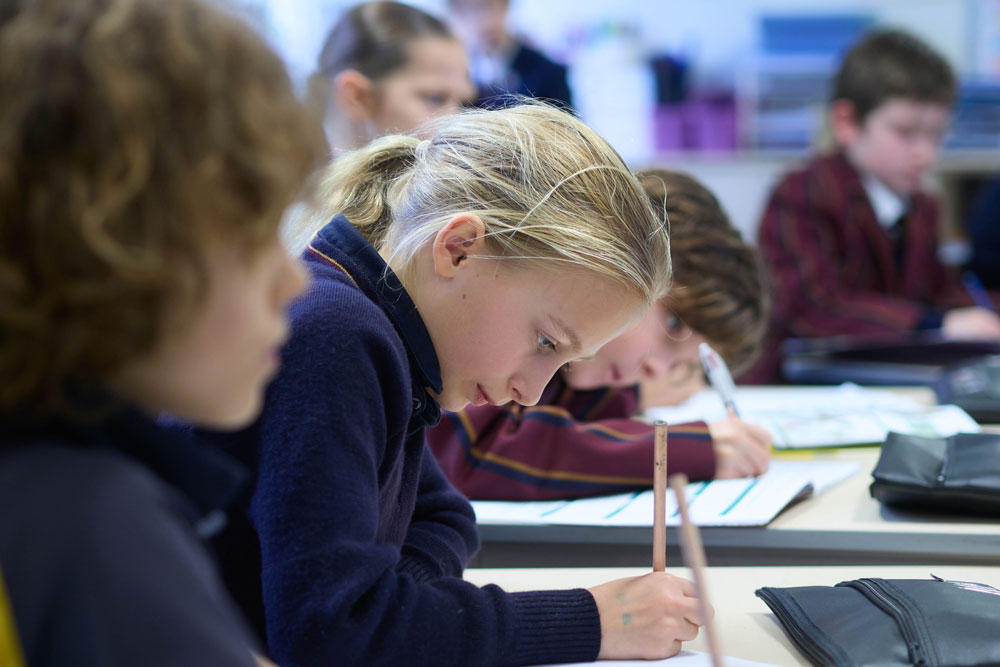
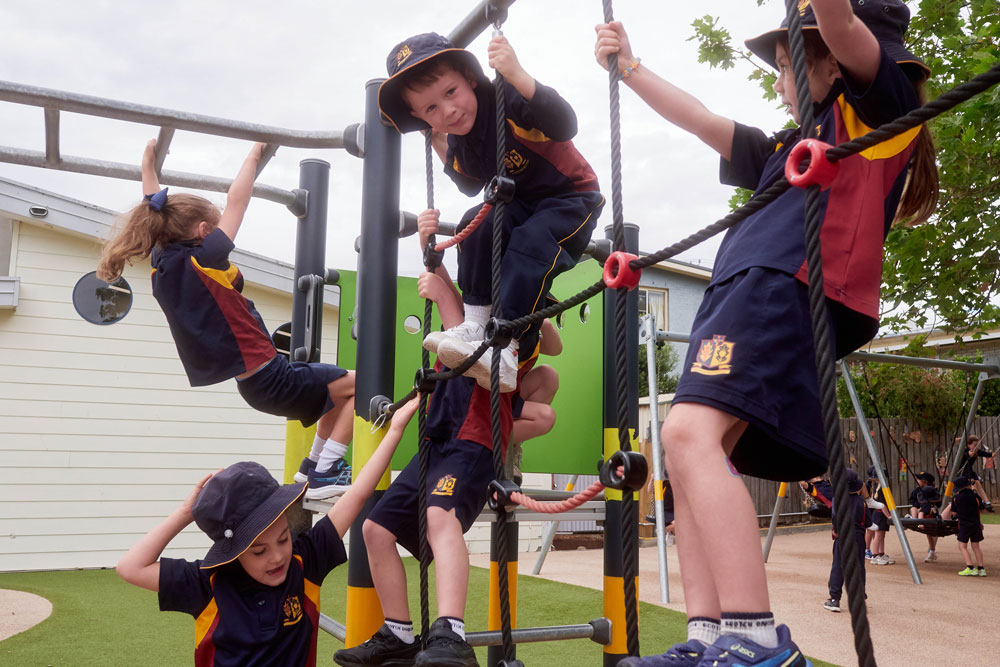
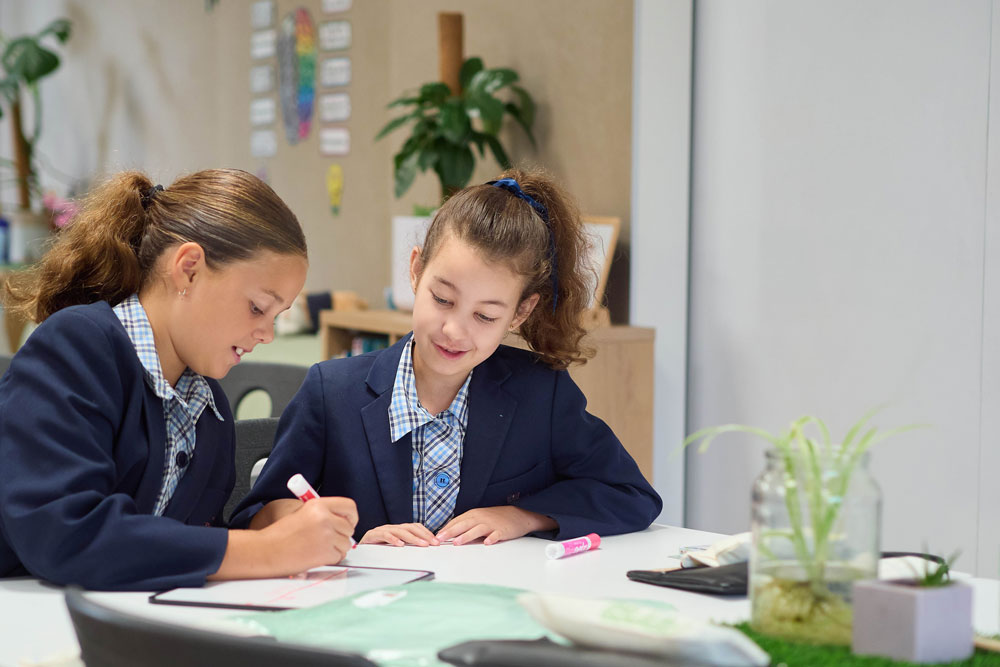
This Term, our whole of College Wellbeing focus is the Learner Attribute of Self-Regulation. Self-regulation is an important skill that helps children recognise, understand and manage their emotions, behaviours and attention so they can engage positively in learning, play and relationships.
Throughout the Term, students will be exploring two key “I Can” statements:
I can notice and name my feelings.
I can identify what I need to be ready to learn and play.
Developing self-regulation skills in the primary years provides children with a strong foundation for both academic success and social-emotional wellbeing. When students can recognise how they are feeling and understand what they need, they are better equipped to manage challenges, solve problems, persevere with learning and build positive relationships with others.
Self-regulation is supported through teaching and learning experiences within our wellbeing programs. Students in Early Learning engage with Friendology, which helps children develop friendship skills, emotion awareness and positive social interactions. Students from Prep to Year 5 participate in Wellio, a comprehensive wellbeing program that supports emotional literacy, resilience, self-awareness and strategies for managing emotions and behaviour.
Importantly, we recognise that self-regulation is not simply a skill that students learn through lessons. A student’s ability to self-regulate is also influenced by the environment and context in which they are learning, playing and interacting. Factors such as feeling safe, connected, understood and supported all contribute to a student’s capacity to regulate their emotions and behaviours effectively.
We encourage families to support this learning at home by talking about a range of feelings, helping children identify what they need when they are feeling challenged, and celebrating their growing ability to recognise and respond to their feelings.
Renee Hodgetts
Director of Wellbeing – Elphin